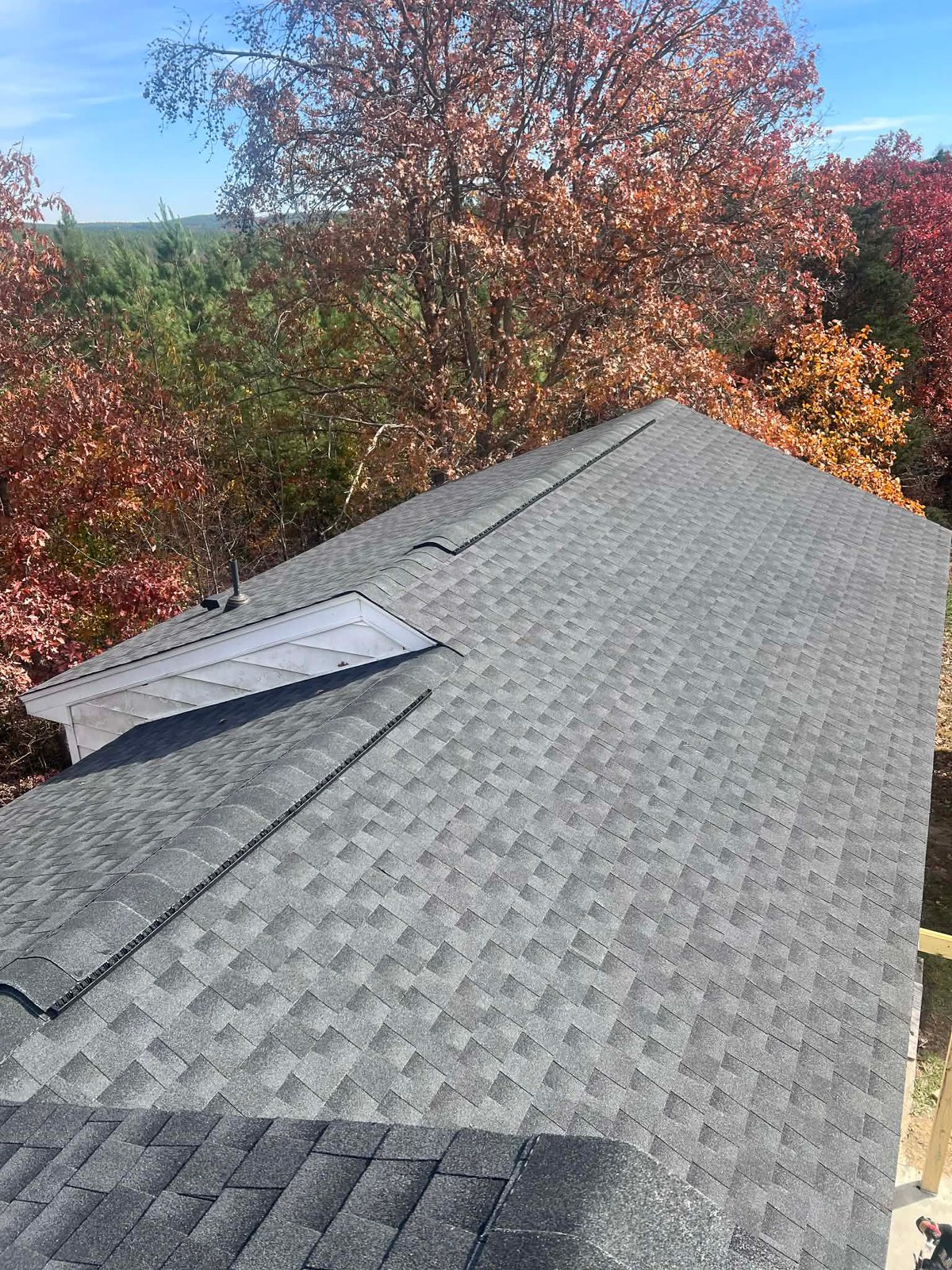
The Blue Ridge Mountains offer some of the most spectacular scenery in Virginia, and owning property in this region is a dream for many. Whether you have a year-round home near Bedford, a vacation cabin in Amherst County, or a retreat near the Peaks of Otter, your roof faces unique challenges that lowland properties simply don’t encounter.
At Mapleton Roofing, we’ve installed and maintained roofs throughout the Blue Ridge foothills and understand the specific demands of mountain living. This guide will help you choose the best roofing material for your elevated property.
Unique Challenges of Mountain Roofing
Heavy Snow Loads
Mountain properties at higher elevations receive significantly more snow than Lynchburg or the valley floor. According to NOAA data, higher elevations in the Blue Ridge can receive 20-30% more annual snowfall than the valley floor. A roof that’s adequate for a suburban home may be dangerously undersized for a mountain cabin.
Snow load considerations:
- According to the American Society of Civil Engineers (ASCE), wet snow can weigh 20+ pounds per cubic foot
- Accumulation on north-facing slopes can persist for weeks
- Drifting snow can create localized heavy loads exceeding design minimums
- Ice buildup adds additional weight and stress
Virginia building codes, based on ASCE 7 structural standards, require roofs in mountain areas to support specific snow loads, but older structures may not meet current standards.
High Wind Exposure
Ridge-top and exposed mountain properties face wind conditions rarely seen in protected valleys. According to National Weather Service data, Blue Ridge Mountain ridgelines regularly experience winds 20-40% stronger than nearby valley locations.
- Sustained winds during storms can exceed 70 mph according to historical weather records
- Wind acceleration over ridges creates significant uplift pressure on roof systems
- Directional winds stress specific roof sections repeatedly over time
- Gusts can be 30-50% stronger than sustained winds per NWS storm documentation
Temperature Extremes
Mountain properties experience wider temperature swings than lowland homes. According to NOAA climate data, temperatures at Blue Ridge elevations are typically 3-5 degrees Fahrenheit cooler per 1,000 feet of elevation gain.
- Colder winter temperatures (often 10-15 degrees lower than Lynchburg based on NWS records)
- Greater day-night temperature differential, sometimes exceeding 30 degrees
- More frequent freeze-thaw cycles throughout winter months
- Longer periods of sub-freezing temperatures extending the heating season
Remote Location Challenges
Mountain properties often present logistical challenges:
- Difficult access for materials and equipment
- Longer response times for emergency repairs
- Limited contractor availability in remote areas
- Potential for extended periods without power
Comparing Roofing Materials for Mountain Properties
Metal Roofing: The Mountain Favorite
Metal roofing has become the preferred choice for Blue Ridge Mountain properties, and for good reason.
Advantages for mountain locations:
- Superior snow shedding: The smooth surface allows snow to slide off rather than accumulate, reducing structural stress
- Excellent wind resistance: According to the Metal Roofing Alliance and manufacturer testing data, properly installed standing seam metal roofs can withstand winds exceeding 140 mph
- Longevity: 50+ year lifespan according to manufacturer warranties and industry studies, meaning fewer replacement challenges in remote locations
- Fire resistance: Metal roofing carries a Class A fire rating (the highest available) per ASTM standards, critical in forested mountain areas
- Low maintenance: Requires minimal attention, important for vacation properties
- Lightweight: At 1-3 pounds per square foot (per Metal Construction Association data), metal doesn’t add to structural load concerns
Metal roofing options:
- Standing seam: Premium choice with concealed fasteners and excellent wind resistance. Ideal for primary residences and high-visibility locations.
- Corrugated metal: Cost-effective option suitable for cabins and outbuildings. Exposed fasteners require periodic maintenance.
- Metal shingles: Provide the appearance of traditional shingles with metal’s performance benefits.
Considerations:
- Higher initial cost than asphalt shingles
- Snow sliding off can be hazardous; snow guards may be needed over entryways
- Requires experienced installers familiar with mountain conditions
- Color selection affects heat absorption and snow melt patterns
Best for: Primary mountain residences, vacation homes with limited maintenance access, properties with steep roof pitches
Asphalt Shingles: Budget-Friendly with Limitations
Asphalt shingles can work on mountain properties but require careful selection and installation.
Advantages:
- Lower initial cost
- Wide variety of styles and colors
- Familiar to most contractors
- Easy to repair if damaged
Disadvantages for mountain locations:
- Shorter lifespan, especially in harsh conditions
- More susceptible to wind damage
- Snow doesn’t shed as easily, increasing load
- Freeze-thaw cycles accelerate wear
- May require more frequent replacement
If choosing asphalt for a mountain property:
- Select premium architectural shingles rated for high winds (130+ mph as certified by UL or ASTM testing)
- Use six-nail installation pattern instead of standard four-nail per National Roofing Contractors Association (NRCA) high-wind recommendations
- Install ice and water shield membrane on entire roof deck, not just edges
- Plan for 15-20 year lifespan rather than the typical 25-30 years due to harsher conditions
Best for: Lower-elevation properties, vacation homes with easy access, budget-conscious projects where frequent monitoring is possible
Slate Roofing: Timeless and Durable
Slate roofing offers exceptional durability for mountain properties with the structural capacity to support it.
Advantages:
- Exceptional longevity (100+ years according to the National Slate Association and documented historical roofs)
- Outstanding fire resistance with Class A rating
- Wind resistant when properly installed per NRCA guidelines
- Natural beauty that complements mountain settings
- Increases property value significantly
Disadvantages:
- Very heavy, requiring robust structural support
- High initial cost
- Requires specialized installation expertise
- Difficult and expensive to repair
- Snow accumulates rather than shedding
Considerations for mountain properties:
- Verify structural capacity before installation
- Install snow guards to control snow release
- Choose contractors with proven slate experience
- Budget for occasional slate replacement tiles
Best for: Luxury mountain homes, historic properties, owners who prioritize longevity and aesthetics over cost
Synthetic Slate and Shake
Modern composite materials offer an alternative to natural materials:
Advantages:
- Lighter than natural slate or wood
- More affordable than natural materials
- Often better warranty coverage
- Good fire resistance ratings
- Can mimic traditional appearances
Disadvantages:
- Less proven track record in extreme conditions
- May not age as gracefully as natural materials
- Quality varies significantly between manufacturers
- Some products may become brittle in extreme cold
Best for: Properties where natural material appearance is desired but weight or cost is a concern
Wood Shake: Traditional but Challenging
Wood shake roofing is historically common in mountain settings but presents significant challenges:
Advantages:
- Traditional mountain aesthetic
- Natural insulating properties
- Breathable, reducing condensation issues
Disadvantages:
- Fire hazard in forested areas
- Requires regular maintenance
- Susceptible to rot and insect damage
- May be prohibited or restricted in some areas
- Relatively short lifespan in wet climates
If considering wood shake:
- Verify local fire codes allow wood roofing
- Choose pressure-treated or fire-retardant-treated shakes
- Plan for annual inspections and maintenance
- Consider synthetic alternatives that mimic the appearance
Best for: Historic properties where authenticity is paramount, areas without fire restrictions, owners committed to ongoing maintenance
Critical Installation Considerations
Regardless of material choice, mountain roof installations require special attention:
Proper Underlayment
Standard felt underlayment isn’t adequate for mountain conditions:
- Use synthetic underlayment rated for extreme temperatures
- Install ice and water shield at all eaves, valleys, and around penetrations
- Consider full deck coverage in severe exposure areas
Enhanced Fastening
Wind uplift requires stronger connections:
- Use longer nails or screws that penetrate deeper into decking
- Increase fastener density in high-wind areas
- Ring-shank or screw fasteners resist pull-out better than smooth nails
Ventilation Design
Mountain temperature extremes make proper ventilation critical:
- Calculate ventilation requirements based on roof area
- Balance intake (soffit) and exhaust (ridge) ventilation
- Consider the impact of snow-blocked vents
- Our roof ventilation services ensure proper airflow in any climate
Flashing and Sealants
Extreme conditions stress seals and flashing:
- Use high-quality flashing materials rated for temperature extremes
- Install step flashing at all wall intersections
- Apply appropriate sealants rated for mountain conditions
- Pay special attention to chimney and skylight installations
Snow Management Systems
For properties where snow accumulation is significant:
Snow Guards
- Prevent dangerous snow slides
- Protect landscaping, entryways, and lower roofs
- Available in various styles to match roofing material
- Essential over doorways and high-traffic areas
Heat Cables
- Prevent ice dam formation
- Keep gutters and downspouts flowing
- Can be set on timers or thermostats
- Should supplement, not replace, proper ventilation and insulation
Serving the Blue Ridge Region
Mapleton Roofing proudly serves mountain property owners throughout the Blue Ridge region, including:
- Bedford and Bedford County
- Amherst and Amherst County
- Peaks of Otter area
- Blue Ridge Parkway communities
- Lynchburg and surrounding areas
- Campbell County mountain properties
Whether you need a new roof installation, replacement, or expert advice on the best materials for your mountain property, our team has the experience to deliver lasting results in challenging conditions.
We understand the logistics of mountain roofing projects and have the equipment and expertise to access remote properties. Contact Mapleton Roofing today to schedule a consultation and learn which roofing solution is right for your Blue Ridge property.
Sources
- National Oceanic and Atmospheric Administration (NOAA) Climate Data
- National Weather Service historical storm and wind data
- American Society of Civil Engineers (ASCE 7) Structural Load Standards
- Metal Roofing Alliance technical resources and wind resistance data
- Metal Construction Association installation guidelines
- National Roofing Contractors Association (NRCA) high-wind installation standards
- National Slate Association longevity documentation
- UL and ASTM roofing material testing standards
Tags: