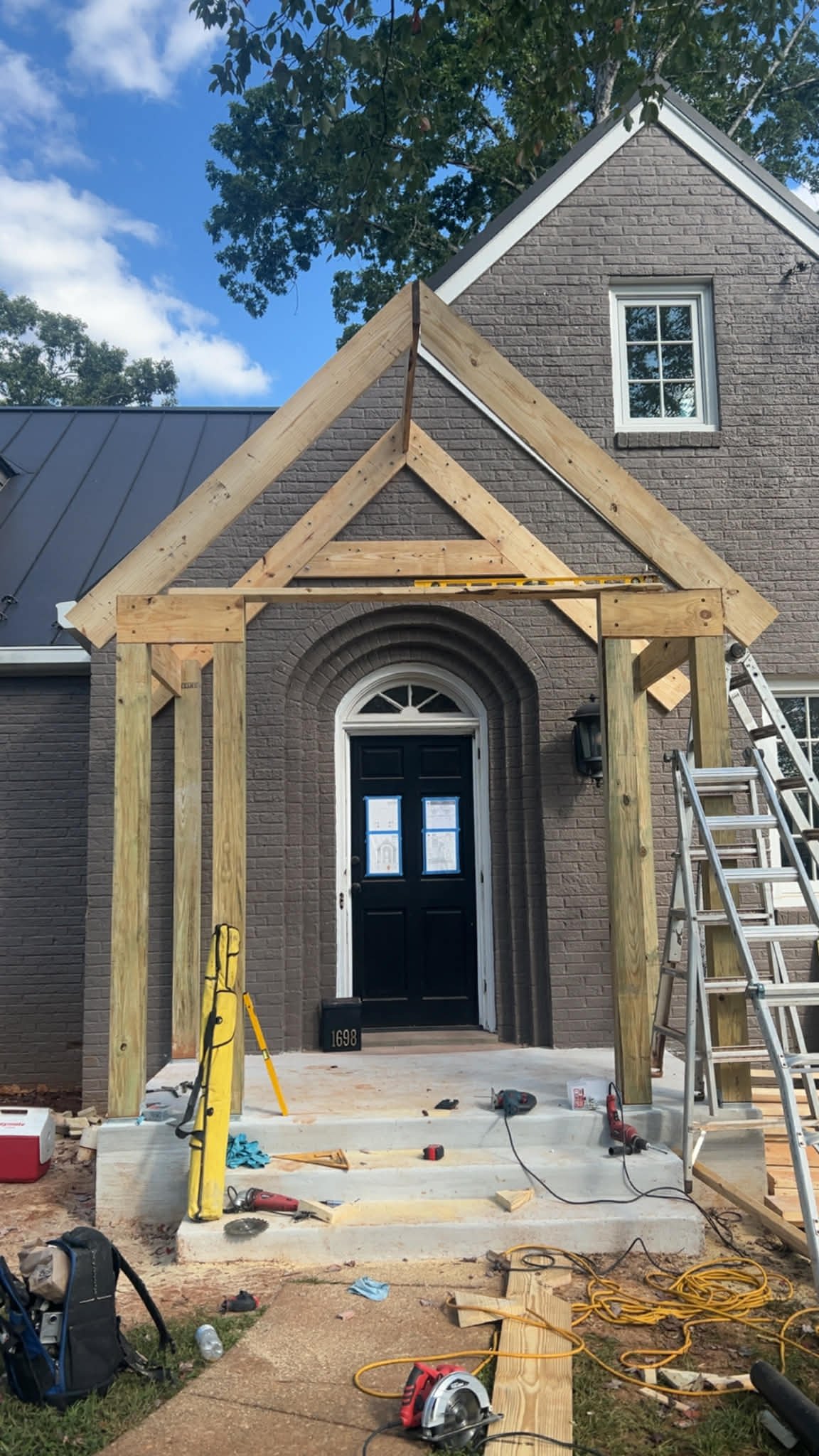
The choice between flat and pitched roofing affects everything from initial cost to long-term maintenance, from usable space to aesthetic impact. Whether you’re planning a commercial building in downtown Lynchburg or considering options for a residential addition, understanding the differences between these roofing systems helps you make an informed investment.
At Mapleton Roofing, we install and maintain both flat roofing systems and traditional pitched roofs for commercial and residential clients throughout Central Virginia. This comprehensive comparison covers everything you need to know.
Understanding the Basics
What Is a Flat Roof?
Despite the name, flat roofs aren’t completely level. They feature a slight slope (typically 1/4 inch per foot or 2%) to facilitate drainage. Common on commercial buildings, flat roofs are increasingly popular for modern residential architecture, additions, and specific applications like garages and covered patios.
What Is a Pitched Roof?
Pitched roofs feature noticeable slopes, typically ranging from 3:12 (3 inches of rise per 12 inches of run) to 12:12 or steeper. This traditional design dominates residential construction and some commercial applications. The steeper the pitch, the more effectively water and debris shed from the surface.
Cost Comparison
Flat Roof Costs
Flat roofing typically costs less to install:
- Materials: $3-$10 per square foot depending on system
- Installation: $4-$8 per square foot
- Total installed: $7-$18 per square foot
- Average commercial building (10,000 sq ft): $70,000-$180,000
The simpler geometry reduces labor costs, and flat roof materials are generally less expensive than pitched roof alternatives.
Pitched Roof Costs
Pitched roofs involve higher initial investment:
- Materials: $4-$15 per square foot depending on material choice
- Installation: $5-$12 per square foot
- Total installed: $9-$25+ per square foot
- Average residential home (2,500 sq ft): $22,500-$62,500
The steeper the pitch and more complex the design (valleys, dormers, multiple levels), the higher the installation cost.
Long-Term Cost Considerations
While flat roofs cost less initially, they typically require more frequent maintenance and earlier replacement. Factor in lifecycle costs when making your decision:
- Flat roof typical lifespan: 15-25 years
- Pitched roof typical lifespan: 25-50+ years (material dependent)
Drainage Performance
Flat Roof Drainage
Flat roofs face inherent drainage challenges:
Drainage methods:
- Internal drains connected to building plumbing
- Scuppers directing water to exterior downspouts
- Gutters at roof edges
- Tapered insulation creating slope toward drains
Potential issues:
- Ponding water if drainage is inadequate
- Clogged drains causing backup
- Membrane stress from standing water
- Ice dam formation in winter
Central Virginia’s occasional heavy rainfall demands robust drainage design for flat roofs.
Pitched Roof Drainage
Pitched roofs excel at shedding water:
Natural advantages:
- Gravity moves water immediately toward edges
- Less opportunity for ponding or accumulation
- Simple gutter systems handle runoff
- Snow slides off steeper pitches
Potential issues:
- Valley areas can accumulate debris
- Ice dams possible in low-slope sections
- Gutter capacity must match roof area
For Lynchburg’s climate with its humid summers and occasional heavy storms, pitched roofs generally handle drainage more reliably.
Maintenance Requirements
Flat Roof Maintenance
Flat roofs require vigilant maintenance:
Regular maintenance tasks:
- Clear drains and scuppers of debris (monthly during leaf season)
- Inspect membrane for damage, bubbles, or separation (quarterly)
- Check flashing and penetrations (quarterly)
- Remove accumulated debris and organic matter
- Address ponding water promptly
Common repair needs:
- Puncture repairs from foot traffic or debris
- Seam resealing
- Flashing replacement
- Coating reapplication (some systems)
Neglected flat roof maintenance leads to premature failure. Budget for regular professional inspections.
Pitched Roof Maintenance
Pitched roofs typically require less ongoing attention:
Regular maintenance tasks:
- Gutter cleaning (twice yearly)
- Visual inspection for damaged or missing materials (annually)
- Flashing inspection around penetrations (annually)
- Debris removal from valleys
Common repair needs:
- Shingle or tile replacement after storms
- Flashing resealing
- Gutter repair or replacement
- Ice dam prevention measures
The self-cleaning nature of pitched roofs (debris washes off in rain) reduces maintenance burden.
Lifespan Comparison
Flat Roof Lifespan by Material
- Built-up roofing (BUR): 15-20 years
- Modified bitumen: 15-20 years
- EPDM (rubber): 20-25 years
- TPO: 20-30 years
- PVC: 25-30 years
Heat, UV exposure, and ponding water degrade flat roof membranes over time.
Pitched Roof Lifespan by Material
- Asphalt shingles: 20-30 years
- Wood shake: 25-35 years
- Metal roofing: 50-70 years
- Clay/concrete tile: 50-100 years
- Slate: 100+ years
The steeper pitch and variety of durable material options give pitched roofs a longevity advantage.
Space Utilization
Flat Roof Space Benefits
Flat roofs offer unique space opportunities:
Usable roof space:
- Rooftop HVAC equipment placement
- Solar panel installation (optimal angle adjustment)
- Rooftop gardens or green roof systems
- Outdoor entertaining space (residential)
- Additional parking (commercial with reinforcement)
Interior benefits:
- Maximum interior ceiling height
- Easier HVAC duct routing
- Simplified interior layouts
- Cleaner modern aesthetic
Pitched Roof Space Benefits
Pitched roofs create different spatial opportunities:
Attic and interior space:
- Attic storage or living space
- Cathedral ceilings
- Loft areas and bonus rooms
- Natural ventilation channels
Equipment considerations:
- HVAC equipment typically at ground level
- Solar panels install directly on roof surface
- Less roof access for equipment maintenance
Aesthetic Considerations
Flat Roof Aesthetics
Flat roofs suit specific architectural styles:
- Modern and contemporary architecture
- Commercial and industrial buildings
- Mid-century modern homes
- Minimalist design approaches
- Urban infill construction
Downtown Lynchburg commercial buildings commonly feature flat roofs that complement the urban streetscape and historic commercial architecture.
Pitched Roof Aesthetics
Pitched roofs align with traditional styles:
- Colonial and Georgian architecture
- Victorian and Queen Anne homes
- Craftsman and bungalow styles
- Farmhouse and rustic designs
- Most traditional residential styles
Central Virginia’s residential neighborhoods predominantly feature pitched roofs that reflect regional architectural heritage.
Commercial vs. Residential Applications
Commercial Building Considerations
Most commercial buildings in Lynchburg favor flat roofing:
Advantages for commercial use:
- Cost-effective for large footprints
- Accommodates rooftop equipment
- Easier roof access for maintenance
- Simpler integration with parapet walls
- Flexible interior layouts
Common Lynchburg commercial applications:
- Downtown retail and office buildings
- Industrial and warehouse facilities
- Strip malls and shopping centers
- Medical and professional offices
- Restaurants and hospitality
Our commercial roofing services address the unique needs of Lynchburg area businesses.
Residential Applications
Residential construction typically features pitched roofs, but flat roofs have their place:
Flat roof residential applications:
- Modern architectural homes
- Additions and bump-outs
- Covered patios and carports
- Garage roofs
- Rooftop deck underlayment
Pitched roof advantages for homes:
- Better integration with neighborhood aesthetics
- Attic storage or living space
- More material options
- Generally longer lifespan
- Higher resale appeal in traditional markets
Material Options
Flat Roof Materials
TPO (Thermoplastic Polyolefin):
- White reflective surface reduces cooling costs
- Heat-welded seams create strong bonds
- Resistant to UV, ozone, and chemicals
- Cost-effective with good durability
- Popular for commercial applications
EPDM (Ethylene Propylene Diene Monomer):
- Proven 40+ year track record
- Excellent weathering characteristics
- Available in black or white
- Lower initial cost
- Seams require adhesive or tape
PVC (Polyvinyl Chloride):
- Superior chemical resistance
- Hot-air welded seams
- Good for restaurants (grease resistant)
- Higher cost than TPO or EPDM
- Long service life
Built-Up Roofing (BUR):
- Multiple layers of reinforcement
- Time-tested system
- Good for heavy foot traffic
- More complex installation
- Being replaced by single-ply systems
Pitched Roof Materials
Asphalt Shingles:
- Most common residential choice
- Wide variety of styles and colors
- Cost-effective
- 20-30 year lifespan
- Easy to repair
Metal Roofing:
- 50+ year lifespan
- Excellent weather resistance
- Energy efficient
- Higher initial cost
- Great for steep pitches
Tile (Clay or Concrete):
- Distinctive appearance
- 50-100 year lifespan
- Heavy (requires structural support)
- Higher cost
- Common in certain architectural styles
Slate:
- 100+ year lifespan
- Natural beauty
- Extremely heavy
- Highest cost
- Ideal for historic properties
At-a-Glance Comparison Table
| Factor | Flat Roof | Pitched Roof |
|---|---|---|
| Initial Cost | Lower | Higher |
| Lifespan | 15-30 years | 25-100+ years |
| Maintenance | Higher | Lower |
| Drainage | Engineered required | Natural gravity |
| Usable Space | Rooftop access | Attic potential |
| Equipment Access | Excellent | Limited |
| Material Options | TPO, EPDM, PVC, BUR | Shingles, metal, tile, slate |
| Best For | Commercial, modern | Residential, traditional |
| Weather Performance | Good with maintenance | Excellent |
| Energy Efficiency | Good (reflective membranes) | Varies by material |
The Central Virginia Perspective
Our regional climate influences the flat vs. pitched decision:
Humidity and Rainfall: Central Virginia’s humid climate and occasional heavy rains favor pitched roofs’ superior drainage. Flat roofs require robust drainage design and regular maintenance to prevent moisture problems.
Temperature Swings: Our hot summers and cold winters stress both roof types. Flat roofs benefit from reflective membranes (TPO, white EPDM) to reduce cooling loads. Pitched roofs with adequate ventilation handle temperature cycling well.
Storm Exposure: Severe thunderstorms and occasional tropical weather test both systems. Quality installation and materials matter more than roof type for storm resistance.
Commercial Development: Lynchburg’s growing commercial sector, particularly downtown revitalization projects, frequently involves flat roof systems. Our flat roofing expertise serves these needs.
The Bottom Line
The choice between flat and pitched roofing depends on your specific application:
Choose flat roofing when:
- Building a commercial structure
- Rooftop equipment access is needed
- Modern architectural style is desired
- Initial budget is constrained
- Usable roof space is valuable
Choose pitched roofing when:
- Building or renovating a home
- Traditional aesthetics matter
- Long-term durability is priority
- Minimal maintenance is preferred
- Attic space is valuable
At Mapleton Roofing, we bring expertise to both flat roofing systems and traditional pitched installations. Whether you’re developing commercial property in Lynchburg or building your dream home, we help you select and install the right roofing system for your needs.
Frequently Asked Questions
Can I convert a flat roof to a pitched roof?
Conversion is possible but involves significant structural work. A new framework must be built atop the existing structure, and load-bearing capacity must be verified. This major renovation typically costs more than installing either roof type from scratch but may be worthwhile for specific situations.
How often should I inspect my flat commercial roof?
We recommend professional inspections twice yearly (spring and fall) plus after any significant weather event. Monthly visual checks by building maintenance staff help catch drainage issues early. Regular inspection is the key to maximizing flat roof lifespan.
What flat roof material is best for Lynchburg commercial buildings?
TPO has become the most popular choice for Central Virginia commercial buildings due to its balance of cost, durability, and energy efficiency. The white reflective surface reduces cooling costs during our hot summers. PVC is excellent for restaurants or facilities with chemical exposure.
Is a flat roof suitable for a residential addition in Lynchburg?
Flat roofs work well for certain residential additions, particularly single-story bump-outs, covered patios, and modern-style homes. Ensure quality materials, proper drainage design, and commit to regular maintenance. Many Lynchburg homes successfully incorporate flat-roofed additions.
Contact Mapleton Roofing today to discuss your commercial roofing project or residential flat roof installation. Our experienced team serves Lynchburg and throughout Central Virginia with quality installation and maintenance for all roofing systems.
Tags: