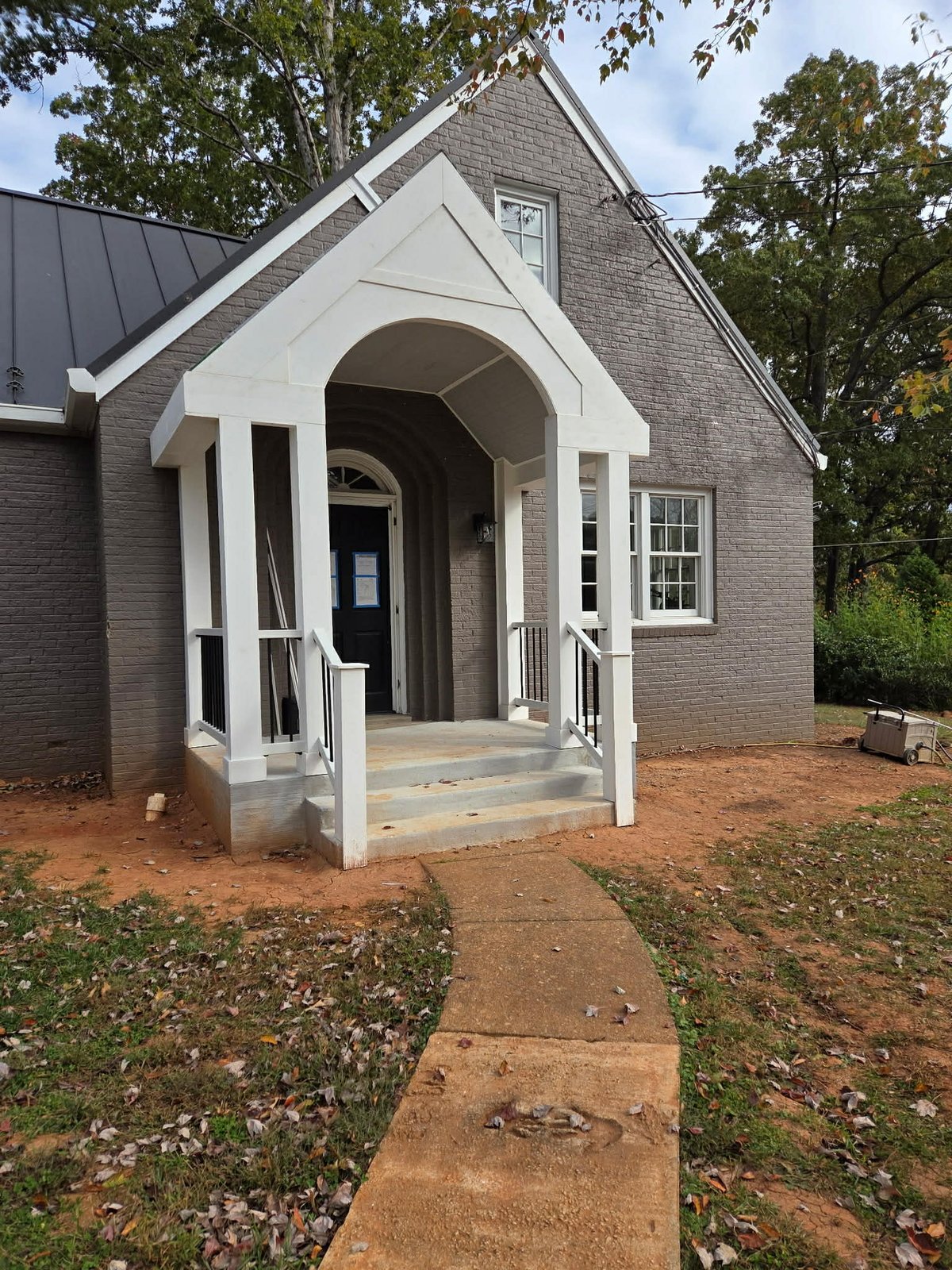
Lynchburg, Virginia is home to some of the most beautiful historic architecture in the Commonwealth. From the stately Victorian mansions of Garland Hill to the charming Federal-style homes of Diamond Hill, our city’s historic neighborhoods tell the story of over two centuries of American history. But owning a historic home comes with unique responsibilities, especially when it comes to roofing.
At Mapleton Roofing, we’ve worked on countless historic properties throughout Lynchburg and the surrounding Central Virginia area. In this comprehensive guide, we’ll share everything you need to know about roofing for historic homes.
Understanding Lynchburg’s Historic Districts
Lynchburg boasts several nationally recognized historic districts, each with its own architectural character and roofing considerations:
Garland Hill Historic District
One of Lynchburg’s most prestigious neighborhoods, Garland Hill features grand homes from the late 19th and early 20th centuries. Many homes here have complex roof designs with multiple dormers, turrets, and decorative elements that require specialized roofing expertise.
Diamond Hill Historic District
Known for its well-preserved Victorian and Queen Anne homes, Diamond Hill presents unique challenges with its ornate architectural details. Slate roofing is common in this area, and maintaining these original roofs requires craftsmen who understand traditional techniques.
Federal Hill Historic District
As one of Virginia’s oldest residential neighborhoods, Federal Hill features homes dating back to the early 1800s. The Federal and Greek Revival architecture here often includes standing seam metal roofs and traditional slate installations.
Rivermont Avenue Historic District
This grand boulevard showcases a variety of architectural styles, from Colonial Revival to Tudor. Roofing materials vary widely, and any replacement work must complement the home’s original design.
Challenges of Roofing Historic Homes
Historic home roofing differs significantly from modern residential roofing. Here are the key challenges our team encounters:
Preservation Guidelines and Regulations
If your home is in a designated historic district or listed on the National Register of Historic Places, you may need approval from the Lynchburg Architectural Review Board before making any exterior changes. This includes roofing materials, colors, and even flashing details.
What you need to know:
- Submit applications early, as the review process can take several weeks
- Document your existing roof thoroughly before any work begins
- Work with a contractor familiar with local preservation requirements
Structural Considerations
Many historic homes weren’t built to support the weight of modern roofing materials. Before choosing a replacement roof, a thorough roof inspection is essential to assess:
- Rafter and joist conditions
- Load-bearing capacity
- Existing ventilation systems
- Insulation requirements
Matching Original Materials
Maintaining historical accuracy often means matching original roofing materials, which can include:
- Natural slate (common in Victorian-era homes)
- Standing seam metal (popular in Federal-period construction)
- Wood shingles or shakes (traditional but now restricted by fire codes in some areas)
- Clay or terracotta tiles (found on Mediterranean Revival homes)
Roofing Material Options for Historic Homes
Choosing the right material for your historic home involves balancing authenticity, durability, budget, and local regulations.
Slate Roofing
Slate roofing remains the gold standard for historic homes. A quality slate roof can last 100+ years, making it an excellent long-term investment.
Pros:
- Unmatched historical authenticity
- Exceptional longevity (75-200 years)
- Fire resistant
- Increases property value
Cons:
- Higher upfront cost
- Requires structural support
- Specialized installation expertise needed
Standing Seam Metal Roofing
Metal roofing has been used on American homes since the 1700s. Modern standing seam metal faithfully replicates historic profiles while offering improved performance.
Pros:
- Historically accurate for many periods
- Durable (50+ year lifespan)
- Lightweight
- Excellent for snow shedding
Cons:
- Can be noisy in heavy rain without proper underlayment
- Limited color options for historic compliance
Architectural Asphalt Shingles
While not historically accurate for most periods, high-quality architectural shingles can mimic the appearance of slate or wood at a fraction of the cost.
Pros:
- Most affordable option
- Wide variety of styles and colors
- Easier to repair
- May be acceptable in some historic districts
Cons:
- Shorter lifespan (25-30 years)
- May not meet strict preservation standards
- Less character than natural materials
Synthetic Slate and Shake
Modern composite materials can closely replicate the look of natural slate or wood while offering benefits like lighter weight and easier installation.
Pros:
- Authentic appearance
- Lighter than natural slate
- More affordable than real slate
- Longer warranty than asphalt
Cons:
- May not satisfy strict preservation requirements
- Still relatively new technology
Working with Preservation Guidelines
Successfully navigating the historic preservation process requires planning and expertise. Here’s our recommended approach:
Step 1: Research Your Home’s History
Before starting any project, understand your home’s historical significance:
- When was it built?
- What architectural style does it represent?
- What were the original roofing materials?
- Is it in a local or national historic district?
Step 2: Consult with Local Authorities
Contact the Lynchburg Planning Department early in your planning process. They can advise you on:
- Whether your project requires Architectural Review Board approval
- What materials and designs are typically approved
- Any tax incentives available for historic preservation
Step 3: Work with Experienced Contractors
Choose a roofing contractor with demonstrated experience in historic preservation. At Mapleton Roofing, we’ve completed roof restoration projects throughout Lynchburg’s historic districts and understand the unique requirements of these special homes.
Step 4: Document Everything
Maintain detailed records of your existing roof and all work performed. This documentation is valuable for:
- Insurance purposes
- Future maintenance
- Resale value
- Historical preservation records
Financial Considerations
Historic home roofing typically costs more than standard residential roofing, but several programs can help offset expenses:
Historic Tax Credits
Virginia offers state tax credits for the rehabilitation of historic structures. Federal tax credits may also be available for income-producing properties.
Preservation Grants
Organizations like the Virginia Department of Historic Resources and local preservation societies sometimes offer grants for qualifying projects.
Insurance Considerations
Some insurers offer discounts for fire-resistant roofing materials like slate and metal. Be sure to update your policy after completing your roof project.
Serving Lynchburg’s Historic Neighborhoods
At Mapleton Roofing, we’re proud to serve homeowners throughout Lynchburg’s historic districts. Our team understands the importance of preserving the character that makes our city unique while ensuring your home is protected for generations to come.
Whether you need a roof repair, complete replacement, or just want an expert assessment of your historic roof’s condition, we’re here to help. We serve all of Lynchburg and the surrounding areas, including Bedford, Amherst County, and Campbell County.
Contact us today to schedule a free consultation and learn how we can help preserve your piece of Lynchburg history.
Tags: