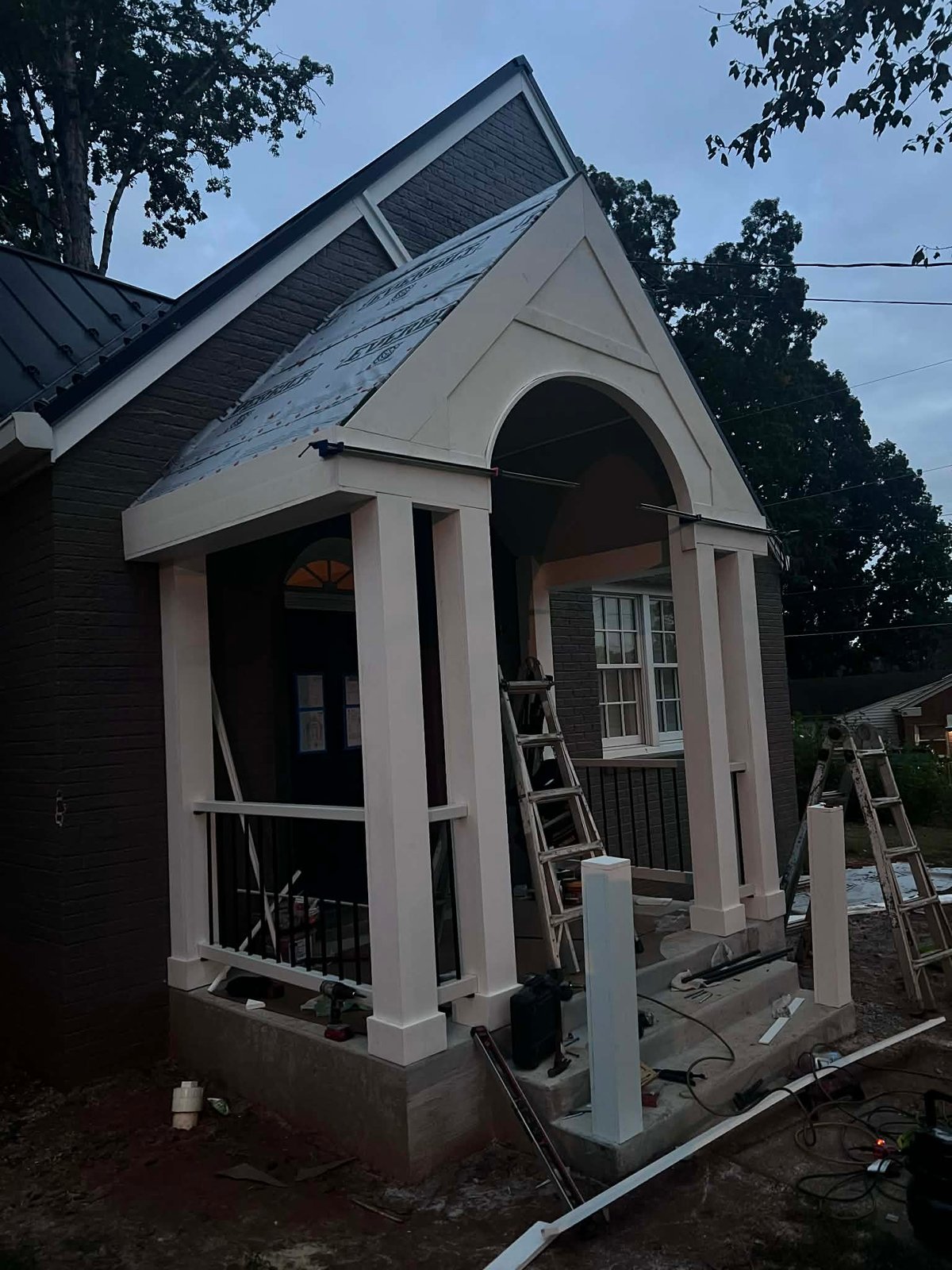
Smith Mountain Lake is one of Virginia’s most treasured destinations. According to the Smith Mountain Lake Association, the lake features over 500 miles of shoreline and thousands of waterfront properties ranging from cozy cabins to luxury estates. Whether you’re a full-time resident or vacation homeowner, your lakefront property faces roofing challenges that inland homes simply don’t encounter.
At Mapleton Roofing, we’ve been serving Smith Mountain Lake homeowners for years and understand the unique demands of waterfront construction. This guide covers everything you need to know about roofing your SML property.
The Unique Environment of Smith Mountain Lake
According to Appalachian Power (the lake’s managing utility) and U.S. Geological Survey data, Smith Mountain Lake sits at approximately 795 feet elevation in the foothills of the Blue Ridge Mountains, spanning Bedford, Franklin, and Pittsylvania counties. The lake covers approximately 20,600 acres with a maximum depth of 250 feet. This location creates a distinctive microclimate that affects roofing performance.
Wind Exposure
Open water creates unobstructed wind paths that significantly increase stress on waterfront roofs. According to meteorological studies, wind speeds over open water bodies can be 20-40% higher than over forested land:
- Sustained winds: Lake properties experience consistently higher wind speeds than protected inland sites per National Weather Service observations
- Storm intensification: Storms gain energy over open water before striking shoreline properties
- Directional loading: Prevailing winds from the southwest create repeated stress on the same roof sections
- Uplift forces: Wind accelerating over the lake creates powerful uplift on roof edges, a factor emphasized in ASCE wind load calculations
Properties on points, peninsulas, or with southern/western exposure face the greatest wind challenges.
Moisture and Humidity
The lake creates a humid environment that affects roofing materials:
- Elevated humidity: Lake proximity maintains higher relative humidity year-round
- Morning fog and mist: Common conditions that keep roof surfaces damp longer
- Spray exposure: Wind-driven spray can reach roofs during storms
- Condensation potential: Temperature differentials between lake and air create condensation
Reflected Light and Heat
The lake’s surface reflects both UV radiation and heat. According to research from the U.S. Department of Energy and roofing manufacturer technical bulletins, water reflection can increase UV exposure by up to 10-25%:
- UV exposure: Reflected sunlight increases UV degradation of roofing materials
- Heat stress: Southern-facing roofs over water experience additional thermal loading
- Accelerated aging: Combined effects can shorten roof lifespan by 10-15% compared to shaded properties according to industry studies
Common Roofing Problems at Smith Mountain Lake
Wind Damage
Wind damage is the most common roofing issue we see at SML properties:
- Shingle lifting and loss: High winds catch shingle edges and peel them back
- Ridge cap failure: Ridge caps are particularly vulnerable to wind uplift
- Flashing displacement: Wind can work under and displace roof flashing
- Structural damage: Severe storms can cause structural roof damage
Biological Growth
The humid lake environment promotes:
- Algae colonization: Dark streaking is common on north-facing slopes
- Moss accumulation: Shaded areas and low-pitch roofs are susceptible
- Mildew and mold: Can develop on and beneath roofing materials
- Wood rot: Affects fascia, soffits, and decking in severe cases
Corrosion
Waterfront environments accelerate metal corrosion:
- Fastener rust: Exposed nails and screws rust faster near water
- Flashing deterioration: Metal flashing can corrode, creating leak points
- Gutter damage: Aluminum and steel gutters experience accelerated wear
- Hardware failure: Vent caps, drip edges, and other metal components degrade
Best Roofing Materials for Lakefront Homes
Standing Seam Metal Roofing
Metal roofing, particularly standing seam panels, is our top recommendation for Smith Mountain Lake properties.
Why metal excels at the lake:
- Wind resistance: According to the Metal Roofing Alliance and FM Global testing standards, properly installed standing seam metal roofs can withstand winds exceeding 140 mph
- No exposed fasteners: Standing seam panels interlock, eliminating vulnerable screw points that can corrode in humid environments
- Longevity: 50+ year lifespan per manufacturer warranties and Metal Construction Association data reduces long-term maintenance concerns
- Algae resistance: Non-porous surface doesn’t support biological growth
- Low maintenance: Ideal for vacation properties that aren’t monitored daily
- Fire resistance: Class A fire rating (per ASTM E108 testing) is important given many SML properties’ wooded settings
Metal roofing considerations:
- Finish selection: Choose premium finishes like Kynar/PVDF that resist fading and chalking
- Color choice: Lighter colors reflect heat; darker colors may show water spots
- Snow guards: Install over walkways and entry points
- Ventilation: Ensure proper attic ventilation to prevent condensation
Best metal options for SML:
- Standing seam with concealed fasteners: Premium choice for maximum wind resistance
- Aluminum: Won’t rust in humid environment but costs more than steel
- Galvalume steel: Good corrosion resistance at moderate cost
Impact-Resistant Asphalt Shingles
High-quality asphalt shingles can perform well at Smith Mountain Lake if properly selected and installed.
Required specifications:
- Wind rating: Choose shingles rated for 130+ mph wind resistance per ASTM D3161 or UL 2390 testing standards
- Algae resistance: Essential; look for copper granule technology as recommended by the Asphalt Roofing Manufacturers Association
- Impact resistance: Class 4 impact rating (the highest per UL 2218) protects against hail and debris
- Enhanced installation: Six-nail pattern and full starter strip application per NRCA high-wind guidelines
Recommended products:
- Look for premium architectural shingles from major manufacturers
- Verify warranty coverage includes high-wind conditions
- Ask about transferable warranties for investment properties
Installation requirements:
- Full ice and water shield at eaves, rakes, valleys, and around penetrations
- Synthetic underlayment over entire deck
- Metal drip edge at all roof perimeters
- Extra sealant at all flashings
Composite and Synthetic Roofing
Modern synthetic materials offer compelling benefits for lakefront properties:
Advantages:
- Engineered for moisture and UV resistance
- Often lighter than natural materials
- Many include algae-inhibiting treatments
- Variety of styles including slate and shake appearances
- Good wind resistance ratings
Considerations:
- Verify manufacturer warranty covers waterfront installation
- Choose products with proven track records
- Ensure installer has experience with specific product
- Some products may fade or discolor over time
Slate Roofing
Natural slate is appropriate for luxury lakefront homes:
Advantages:
- Exceptional longevity (100+ years according to the National Slate Association’s documentation of historic roofs)
- Natural resistance to biological growth due to low porosity
- Won’t fade or deteriorate from UV exposure per material science studies
- Classic appearance suits many lakefront architectural styles
Considerations:
- Significant weight requires structural verification
- Higher cost for materials and installation
- Requires experienced craftsmen
- Snow guards essential to protect landscaping and docks
Critical Installation Practices
Enhanced Wind Resistance Measures
Standard installation isn’t adequate for lakefront exposure:
Underlayment:
- Synthetic underlayment rated for high temperatures
- Self-adhering ice and water shield on lower roof sections
- Consider full deck coverage for maximum protection
Fastening:
- Six-nail pattern for shingles (minimum)
- Increased fastener density at perimeters and high-wind zones
- Ring-shank nails resist pullout better than smooth nails
- Verify fastener length penetrates fully through decking
Flashing:
- Use high-quality, corrosion-resistant flashing materials
- Counter-flashing at all wall intersections
- Extra sealant at potential wind entry points
- Professional installation around chimneys and skylights
Ventilation and Moisture Control
Lake proximity makes proper ventilation essential:
- Balance intake and exhaust ventilation
- Consider powered ventilation for complex roof designs
- Ensure attic insulation doesn’t block soffit vents
- Our roof ventilation services optimize airflow for lakefront conditions
Gutter Systems
Properly sized gutters manage heavy rainfall:
- Oversize gutters (6-inch minimum) handle sudden downpours
- Larger downspouts prevent overflow
- Consider leaf guards to reduce maintenance
- Ensure proper slope toward downspouts
- Direct runoff away from foundation and shoreline
Our gutter installation services include systems designed for lakefront conditions.
Maintenance Recommendations for SML Properties
Seasonal Inspections
Spring:
- Check for winter storm damage
- Clear debris from gutters and roof surfaces
- Inspect flashing and sealants
- Look for signs of biological growth
Fall:
- Pre-winter inspection and cleaning
- Clear leaves and debris before first snow
- Check ventilation pathways
- Verify gutter function
Professional Maintenance
Annual professional roof inspections are highly recommended for lakefront properties:
- Identify wind damage that isn’t visible from the ground
- Check flashings and sealants
- Assess biological growth and recommend treatment
- Document condition for insurance purposes
Vacation Property Considerations
If your SML home is a second residence:
- Arrange for professional checks after major storms
- Consider monitoring systems that alert to moisture issues
- Keep emergency contact information for local contractors
- Maintain current photos for insurance documentation
Insurance Considerations
Waterfront properties often have unique insurance requirements. According to the Insurance Information Institute, lakefront homes may face different coverage considerations than inland properties:
- Verify your policy covers wind and water damage appropriately (some policies have separate wind deductibles)
- Understand deductible structures for different claim types
- Document your roof’s condition and any improvements
- Ask about credits for impact-resistant or wind-rated roofing materials (the IBHS notes that Class 4 impact-resistant shingles may qualify for premium discounts of 5-28% in some states)
Working with the Right Contractor
Lakefront roofing requires specialized expertise:
What to look for:
- Experience with waterfront properties specifically
- Knowledge of high-wind installation techniques
- Understanding of lake microclimate challenges
- Willingness to discuss material options honestly
- Proper licensing and insurance for over-water work if applicable
Questions to ask:
- Have you worked on other SML properties?
- What wind rating do you recommend for my exposure?
- How do you enhance installation for waterfront conditions?
- What warranty applies to high-wind environments?
Serving Smith Mountain Lake
Mapleton Roofing is proud to serve the Smith Mountain Lake community, including properties in:
- Bedford County shoreline communities
- Franklin County lakefront areas
- Pittsylvania County lake properties
- Moneta and surrounding areas
- Huddleston and Hardy
- Burnt Chimney and Wirtz
From roof inspections to complete replacements, from storm damage repair to emergency services, our team has the expertise to protect your lakefront investment.
We understand the logistics of working on waterfront properties and have the experience to deliver exceptional results. Contact Mapleton Roofing today to schedule a consultation for your Smith Mountain Lake home.
Sources
- Smith Mountain Lake Association shoreline and lake statistics
- Appalachian Power Company lake management data
- U.S. Geological Survey elevation and topographical data
- National Weather Service wind and weather observations
- American Society of Civil Engineers (ASCE) wind load standards
- Metal Roofing Alliance wind resistance testing data
- Metal Construction Association technical resources
- FM Global roofing system test standards
- Asphalt Roofing Manufacturers Association (ARMA) technical bulletins
- National Roofing Contractors Association (NRCA) installation guidelines
- National Slate Association longevity documentation
- U.S. Department of Energy reflectivity research
- Insurance Information Institute waterfront property coverage resources
- Insurance Institute for Business and Home Safety (IBHS) impact resistance research
- ASTM and UL roofing material testing standards
Tags: