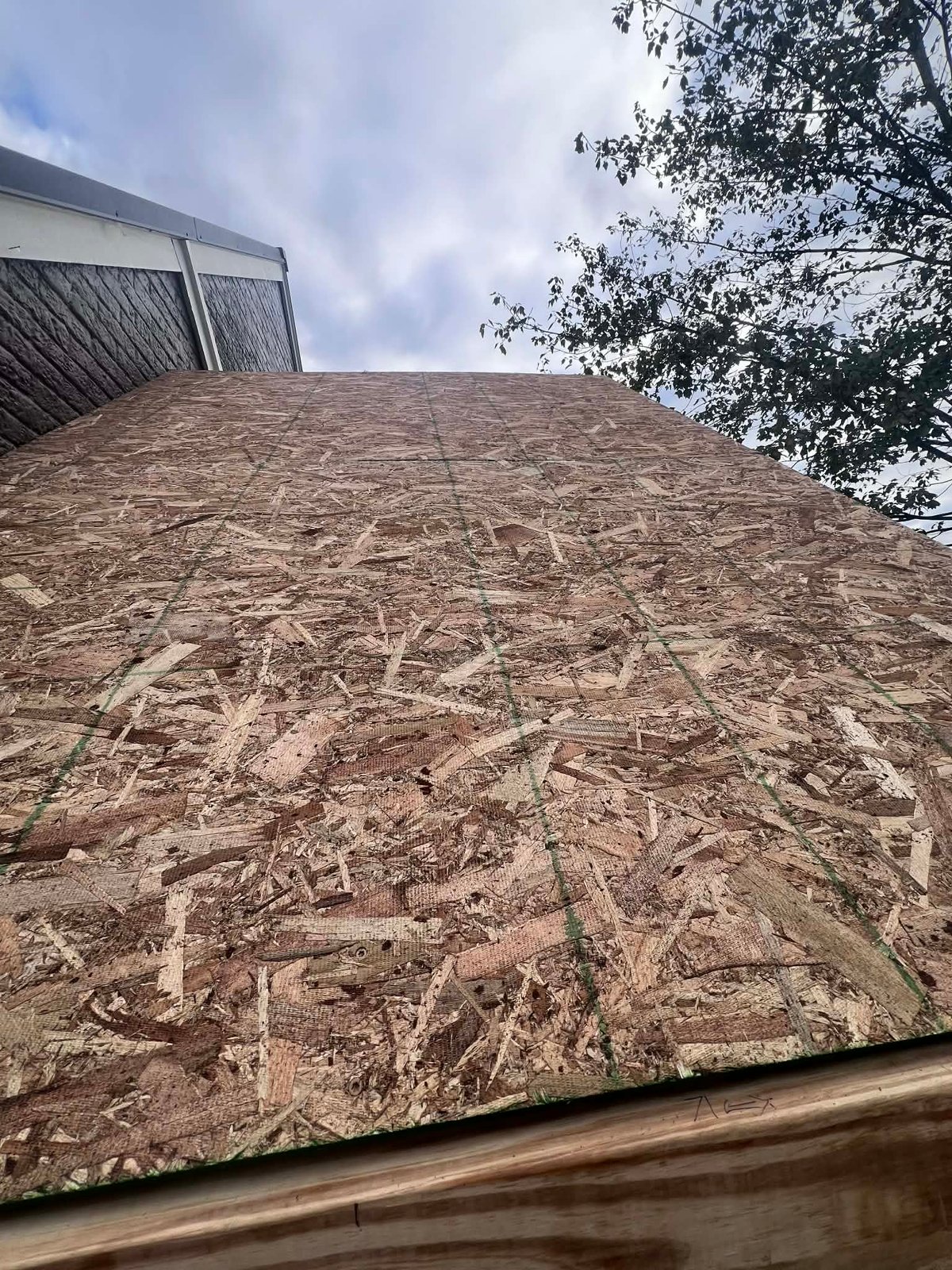
Central Virginia may not be on the coast, but Lynchburg and the surrounding areas still face significant storm threats throughout the year. According to the Virginia Department of Emergency Management, Central Virginia experiences an average of 35-45 thunderstorm days annually, along with the remnants of 2-3 tropical systems. From spring thunderstorms and summer hurricanes to winter ice storms, our region’s weather can put serious stress on your roof.
At Mapleton Roofing, we’ve helped countless homeowners recover from storm damage. More importantly, we’ve learned that preparation and quick response can dramatically reduce the impact of severe weather on your home. This comprehensive guide will help you protect your investment before, during, and after storm season.
Understanding Storm Risks in Central Virginia
Thunderstorms (March - September)
Spring and summer bring frequent thunderstorms to the Lynchburg area. According to NOAA Storm Events Database records for the region, these storms are often accompanied by:
- High winds: Gusts can exceed 60 mph according to National Weather Service records, lifting shingles and causing structural damage
- Hail: Even small hail (pea to quarter-sized) can damage shingles and reduce their lifespan. The Insurance Institute for Business and Home Safety (IBHS) notes that hail causes over $1 billion in property damage annually nationwide.
- Heavy rain: Flash flooding can overwhelm gutters and cause water intrusion
- Lightning: According to NOAA data, Virginia averages over 300,000 lightning strikes per year, with direct strikes causing fires and structural damage
Tropical Systems (June - November)
While Lynchburg sits inland, weakening hurricanes and tropical storms regularly affect our area. According to the National Hurricane Center, tropical storm-force winds can extend 200+ miles from a hurricane’s center, meaning coastal storms frequently impact Central Virginia.
- Sustained winds: Can remain at 40-60 mph even 150 miles inland per NHC tracking data, strong enough to cause significant roof damage
- Prolonged heavy rain: Extended rainfall of 4-8 inches is common during tropical events according to NWS historical records, which can find weaknesses in any roof system
- Tornadoes: Tropical systems can spawn tornadoes as they move inland; NOAA data shows the right-front quadrant of landfalling storms is particularly prone to tornado formation
- Falling debris: Trees and branches become projectiles in high winds
Winter Storms (November - March)
Central Virginia’s winter weather brings its own challenges. According to Virginia Department of Emergency Management historical data, ice storms are among the most damaging weather events for the region:
- Ice storms: According to the IBHS, just half an inch of ice accumulation can add approximately 500 pounds of weight to a typical roof section
- Snow loads: Heavy, wet snow is particularly damaging, weighing up to 20 pounds per cubic foot according to ASCE structural standards
- Freeze-thaw cycles: Water expands by approximately 9% as it freezes per basic physics, widening cracks and gaps
- Ice dams: Can form when attic heat melts snow that refreezes at the roof edge, a common issue documented by the NRCA in cold climates
Pre-Storm Preparation Checklist
Taking action before storm season can prevent damage and make recovery easier if the worst happens.
Roof Inspection and Maintenance
Schedule a professional roof inspection before storm season begins. Our technicians look for:
- Loose or damaged shingles: These are the first to fail in high winds
- Flashing integrity: Around chimneys, vents, and roof edges
- Sealant condition: Cracked or missing caulk around penetrations
- Structural issues: Sagging areas or compromised decking
- Ventilation problems: Proper airflow prevents ice dam formation
DIY visual inspection checklist:
- Check for visible shingle damage from the ground
- Look for debris accumulation in valleys and at roof edges
- Inspect gutters for clogs or damage
- Check attic for signs of previous leaks
- Ensure downspouts direct water away from the foundation
Gutter and Drainage Systems
Properly functioning gutters are your first line of defense against water damage:
- Clean all debris from gutters and downspouts
- Check for proper pitch toward downspouts
- Repair any leaking seams or holes
- Ensure downspout extensions direct water at least 4 feet from the foundation
- Consider gutter installation if your current system is inadequate
Tree and Landscape Maintenance
Fallen trees and branches cause significant storm damage:
- Remove dead or dying trees near your home
- Trim branches that overhang the roof
- Thin dense tree canopies to reduce wind resistance
- Clear yard of potential projectiles (lawn furniture, toys, decorations)
Document Your Roof’s Condition
Before storm season, create documentation for insurance purposes:
- Take dated photos of your roof from multiple angles
- Document any existing damage or wear
- Keep copies of recent inspection reports
- Store documentation in multiple locations (digital and physical)
Prepare an Emergency Kit
Have supplies ready for storm response:
- Quality tarps in multiple sizes
- Roofing cement and caulk
- Flashlights with fresh batteries
- Emergency contact numbers (including Mapleton Roofing: we offer emergency roofing services)
- First aid supplies
During the Storm
Safety First
- Never attempt roof repairs or inspections during active severe weather
- Stay away from windows and skylights
- Move to interior rooms on lower floors if conditions warrant
- Monitor local weather alerts through NOAA weather radio or smartphone apps
Interior Monitoring
Watch for signs of immediate roof failure:
- Water stains appearing on ceilings
- Sounds of wind-driven rain in the attic
- Visible movement of ceiling fixtures
- Unusual creaking or cracking sounds
If you notice active leaking, place containers to catch water and move valuables away from affected areas.
Post-Storm Inspection Guide
Initial Safety Assessment
After the storm passes, safety remains the priority:
- Watch for downed power lines near your home
- Check for obvious structural damage before entering
- Be aware of weakened tree limbs that could fall
- Wear appropriate footwear if walking in debris
Ground-Level Inspection
You can assess much of your roof’s condition from the ground:
Look for:
- Missing, cracked, or curling shingles
- Shingle granules scattered in the yard or gutters
- Dents or damage to metal components (vents, flashing, gutters)
- Debris accumulation on the roof
- Damaged or missing ridge caps
- Visible holes or exposed decking
Check surrounding areas:
- Siding damage that might indicate roof impact
- Window damage suggesting large hail
- Damage to outdoor structures (sheds, fences) that mirrors roof exposure
Attic Inspection
If accessible, check your attic for:
- Active leaks or water stains
- Daylight visible through the roof
- Damp or wet insulation
- Signs of wind-driven rain entry
When to Call a Professional
Contact Mapleton Roofing immediately if you notice:
- Active water intrusion
- Visible holes or structural damage
- Large areas of missing shingles
- Downed tree limbs on or near the roof
- Any situation requiring tarping or emergency repairs
Our storm damage repair team responds quickly to minimize secondary damage.
Working with Insurance Claims
Storm damage often qualifies for homeowner’s insurance coverage. Here’s how to navigate the claims process:
Step 1: Document the Damage
Before any repairs:
- Photograph all visible damage from multiple angles
- Video documentation can be helpful for complex damage
- Note the date, time, and weather conditions
- Keep damaged materials if safe to do so
Step 2: Contact Your Insurance Company
File your claim promptly. According to the Insurance Information Institute, most homeowner policies require prompt notification of damage:
- Most policies have time limits for reporting damage (typically 60-90 days per industry standards)
- Request a claim number and adjuster contact information
- Ask about your policy’s deductible and coverage limits
- Inquire about living expenses coverage if your home is uninhabitable (most policies include Additional Living Expenses, or ALE, coverage)
Step 3: Get a Professional Assessment
A roofing professional can:
- Identify all storm-related damage (some isn’t visible from the ground)
- Provide detailed repair estimates
- Meet with your insurance adjuster
- Document damage using industry-standard reporting
Step 4: Review the Adjuster’s Report
Insurance adjusters may miss damage or underestimate repair costs:
- Compare their assessment to your contractor’s estimate
- Request a re-inspection if you believe damage was missed
- Understand the difference between repair and replacement recommendations
- Ask questions about any items you don’t understand
Step 5: Choose a Reputable Contractor
Avoid “storm chasers” who appear after severe weather:
- Work with established local contractors like Mapleton Roofing
- Verify licensing, insurance, and references
- Get written estimates and contracts
- Never pay in full before work is completed
- Be wary of contractors who want you to sign over insurance checks
Emergency Repairs and Tarping
Temporary repairs prevent additional damage while you arrange permanent solutions:
Professional Emergency Services
Mapleton Roofing offers 24/7 emergency roofing services including:
- Emergency tarping to stop active leaks
- Temporary patches for holes and damaged areas
- Board-up services for severe damage
- Debris removal from roof surfaces
Temporary DIY Measures
If professional help isn’t immediately available:
- Place buckets or containers under active leaks
- Move furniture and valuables away from affected areas
- If you can safely access the roof, secure a tarp over damaged areas using weighted boards (never nail through the roof during temporary repairs)
- Document everything for your insurance claim
Important: Only attempt DIY measures if you can do so safely. According to the Occupational Safety and Health Administration (OSHA), falls are the leading cause of death in the construction industry, and amateur roof access during storm recovery creates similar risks.
Serving Central Virginia Storm Victims
When storms hit Lynchburg and the surrounding communities, Mapleton Roofing is here to help. We serve:
- Lynchburg and all surrounding neighborhoods
- Bedford and Bedford County
- Amherst and Amherst County
- Campbell County
- Appomattox
- Forest
- Madison Heights
From emergency repairs to complete roof replacement, our experienced team provides honest assessments and quality workmanship. We work directly with insurance companies to ensure you receive fair compensation for storm damage.
Don’t wait until the next storm hits. Contact Mapleton Roofing today to schedule a pre-season inspection and ensure your roof is ready for whatever Central Virginia weather brings.
Sources
- Virginia Department of Emergency Management storm frequency data
- National Oceanic and Atmospheric Administration (NOAA) Storm Events Database
- National Weather Service historical weather records for Central Virginia
- National Hurricane Center tropical cyclone tracking data
- Insurance Institute for Business and Home Safety (IBHS) research reports
- Insurance Information Institute claims guidance
- American Society of Civil Engineers (ASCE) structural load standards
- National Roofing Contractors Association (NRCA) ice dam prevention guidelines
- Occupational Safety and Health Administration (OSHA) fall prevention statistics
Tags: