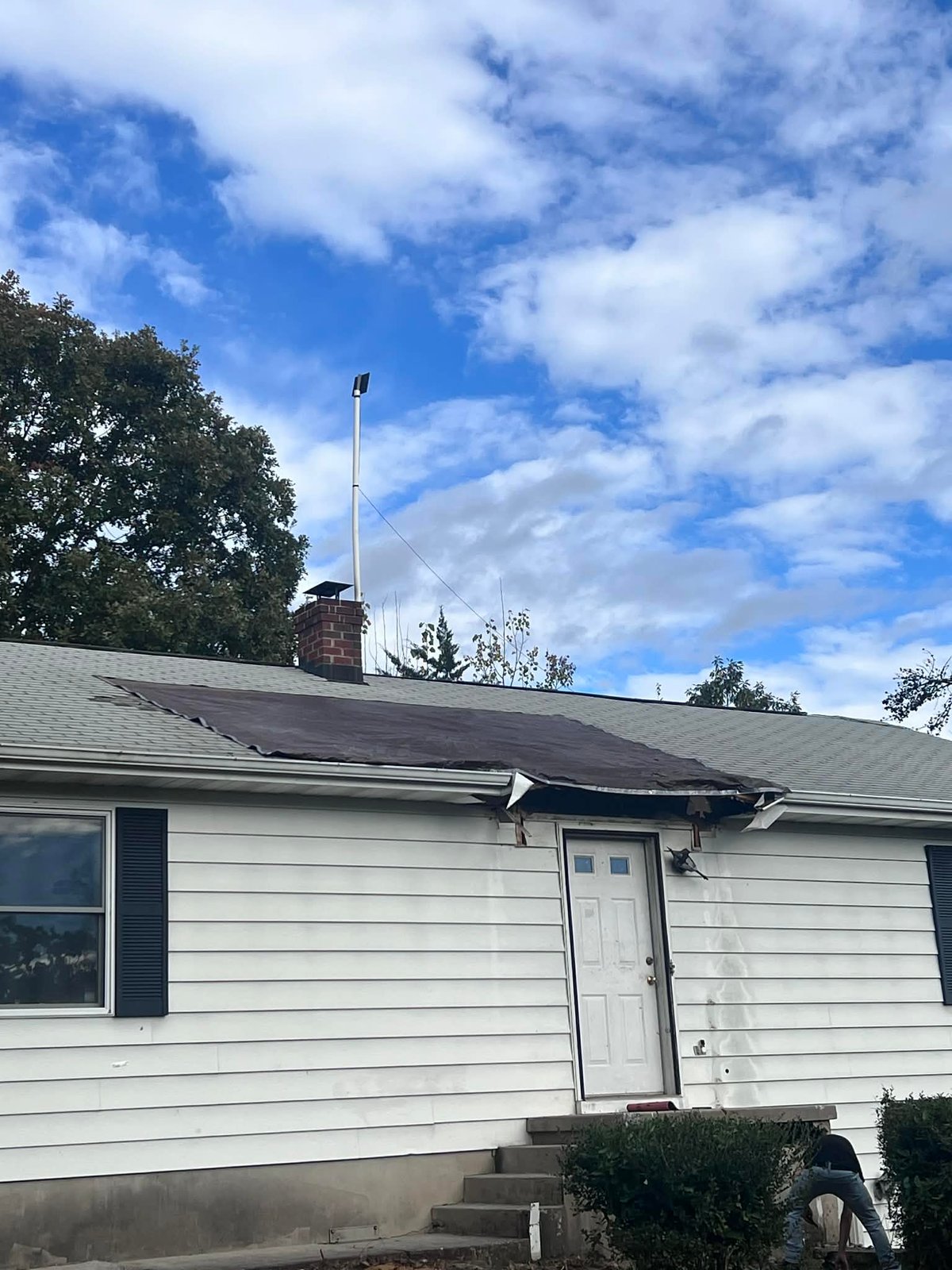
If you have ever wondered what keeps water from seeping into the vulnerable joints and transitions on your roof, the answer is roof flashing. This essential component is one of the most critical parts of your roofing system, yet many homeowners have never heard of it until a leak develops.
At Mapleton Roofing, we have seen countless homes in Lynchburg and throughout Central Virginia with water damage that could have been prevented with properly installed and maintained flashing. Understanding what flashing is and how it works can help you protect your home and catch problems before they become expensive repairs.
What Is Roof Flashing?
Roof flashing consists of thin pieces of metal or other waterproof material installed at vulnerable points on your roof where different surfaces meet or where penetrations occur. These areas include chimneys, skylights, vents, dormers, valleys, and the points where the roof meets vertical walls.
The primary purpose of flashing is to direct water away from these critical junctions and prevent it from seeping underneath shingles or other roofing materials. Without flashing, water would easily penetrate these weak points, leading to rot, mold, and structural damage.
Flashing materials typically include:
- Galvanized steel: Affordable and commonly used, though susceptible to rust over time
- Aluminum: Lightweight and corrosion-resistant, but can be damaged by alkaline materials
- Copper: Premium option that lasts for decades and develops an attractive patina
- Lead: Traditional choice for historic homes, extremely durable but requires careful handling
- Rubberized asphalt: Flexible membrane used for complex shapes and ice dam protection
Types of Roof Flashing
Different situations call for different types of flashing. Here are the main varieties you will find on most homes:
Step Flashing
Step flashing is used where a roof meets a vertical wall, such as dormers or second-story additions. It consists of L-shaped pieces of metal installed in a stair-step pattern, with each piece overlapping the one below it. This design allows water to flow down and away from the wall rather than collecting at the junction.
Valley Flashing
Roof valleys, where two roof planes meet at an angle, channel large amounts of water during rain. Valley flashing protects this high-traffic area. It can be installed as open valley flashing, where the metal is visible, or closed valley flashing, where shingles cover the metal.
Chimney Flashing
Chimneys require a complex flashing system because they penetrate through the roof and have four sides that all need protection. Proper chimney flashing includes:
- Base flashing along the bottom edge
- Step flashing up both sides
- Saddle or cricket flashing behind the chimney to divert water
- Counter flashing embedded into the mortar joints to cover the step flashing
Our chimney repair services include comprehensive flashing inspection and replacement.
Vent Pipe Flashing
Also called pipe boots or pipe collars, these cone-shaped pieces fit around plumbing vent pipes that protrude through the roof. They have a rubber or neoprene gasket that seals tightly around the pipe while the flat metal base integrates with the surrounding shingles.
Drip Edge Flashing
Installed along the eaves and rakes of the roof, drip edge flashing directs water away from the fascia board and into the gutters. It also prevents wind-driven rain from getting under the shingles at the roof edge.
Headwall Flashing
When a sloped roof meets a vertical wall at the top (rather than the side), headwall flashing provides protection. This continuous piece of metal runs the length of the junction and is typically covered by siding or other wall cladding.
Why Roof Flashing Matters
Flashing protects your home at its most vulnerable points. Consider these facts:
Leak prevention: The majority of roof leaks occur at penetrations and transitions rather than in the field of the roof. Properly installed flashing eliminates these weak points.
Structural protection: Water infiltration damages more than just roofing materials. It can rot roof decking, wall sheathing, framing members, and insulation. Effective flashing prevents this cascade of damage.
Mold prevention: Moisture entering your home through failed flashing creates ideal conditions for mold growth. This affects both your home’s structure and your family’s health.
Energy efficiency: Water damage compromises insulation, increasing your heating and cooling costs. Good flashing helps maintain your home’s thermal envelope.
Property value: A roof with proper flashing and no history of leaks is a major selling point. Failed flashing and resulting water damage can significantly reduce your home’s value.
Signs of Flashing Failure
Watch for these warning signs that your flashing may need attention:
- Water stains on ceilings or walls, especially near chimneys, skylights, or where additions meet the main house
- Visible rust or corrosion on metal flashing
- Gaps or separation between flashing and adjacent surfaces
- Cracked, dried-out, or missing sealant around flashing edges
- Lifted or bent flashing caused by wind or impact damage
- Moss or debris accumulation that holds moisture against flashing
- Interior dampness after rain, even if you do not see active dripping
If you notice any of these signs, a professional roof inspection can identify the source of the problem before serious damage occurs.
Central Virginia Weather and Your Flashing
The climate in Lynchburg and surrounding Central Virginia communities presents specific challenges for roof flashing:
Temperature extremes: Our region experiences hot, humid summers and cold winters. This temperature cycling causes flashing materials to expand and contract repeatedly, which can loosen fasteners and break sealant bonds over time.
Freeze-thaw cycles: When water gets behind flashing and freezes, it expands and forces the flashing away from the surface. This creates larger gaps for more water to enter, accelerating damage with each cycle.
Heavy spring rains: Our region receives significant rainfall, particularly during spring storms. Valley flashing and chimney flashing handle enormous volumes of water during these events, making proper installation critical.
Wind-driven rain: Storms from the Blue Ridge Mountains can bring intense, horizontal rain that tests every seal and overlap in your flashing system.
Humidity and corrosion: The humid climate accelerates corrosion of galvanized steel flashing, particularly on north-facing slopes that stay damp longer.
Because of these conditions, we recommend inspecting your flashing annually and after any significant storm. Our team serves homeowners throughout Lynchburg, Bedford, Amherst, Campbell County, and the surrounding areas with roof maintenance programs designed for Central Virginia conditions.
Flashing Repair and Replacement
Minor flashing issues like small gaps or dried sealant can often be repaired without replacing the entire system. However, rusted-through flashing, significant structural movement, or repeated leaks typically require replacement.
When replacing flashing, it is important to:
- Match the material to your roofing system and climate conditions
- Install proper underlayment beneath the flashing
- Use compatible sealants and fasteners
- Ensure adequate overlap at all joints
- Integrate the new flashing correctly with surrounding materials
DIY flashing repair is risky because improper installation can create new leak paths or void roofing warranties. Professional installation ensures the job is done correctly the first time.
Frequently Asked Questions
How long does roof flashing last?
Quality flashing materials can last 20 to 30 years or more with proper installation and maintenance. Copper flashing can last 100 years or longer. However, the sealants used around flashing typically need attention every 5 to 10 years, so regular inspection remains important regardless of the flashing material.
Can I install roof flashing myself?
While minor sealant repairs might be within the capabilities of a handy homeowner, proper flashing installation requires roofing expertise. Incorrect installation often leads to leaks that cause far more damage than the cost of professional work. Additionally, walking on a roof without proper safety equipment and training is dangerous.
How much does it cost to replace roof flashing?
Flashing repair costs depend on the type of flashing, materials used, and accessibility. Simple vent pipe boot replacements might cost a few hundred dollars, while complete chimney reflashing can range from several hundred to over a thousand dollars. Contact Mapleton Roofing for a free estimate on your specific situation.
Protect Your Home with Proper Flashing
Roof flashing may not be the most glamorous part of your home, but it plays an essential role in keeping water out. Regular inspection and timely repairs protect your investment and prevent costly water damage.
If you have noticed signs of flashing failure or simply want peace of mind about your roof’s condition, contact Mapleton Roofing today. We provide thorough roof inspections and expert roof repair services throughout Lynchburg, VA and Central Virginia. Our experienced team can assess your flashing, identify any problems, and recommend the most effective solution for your home.
Tags: