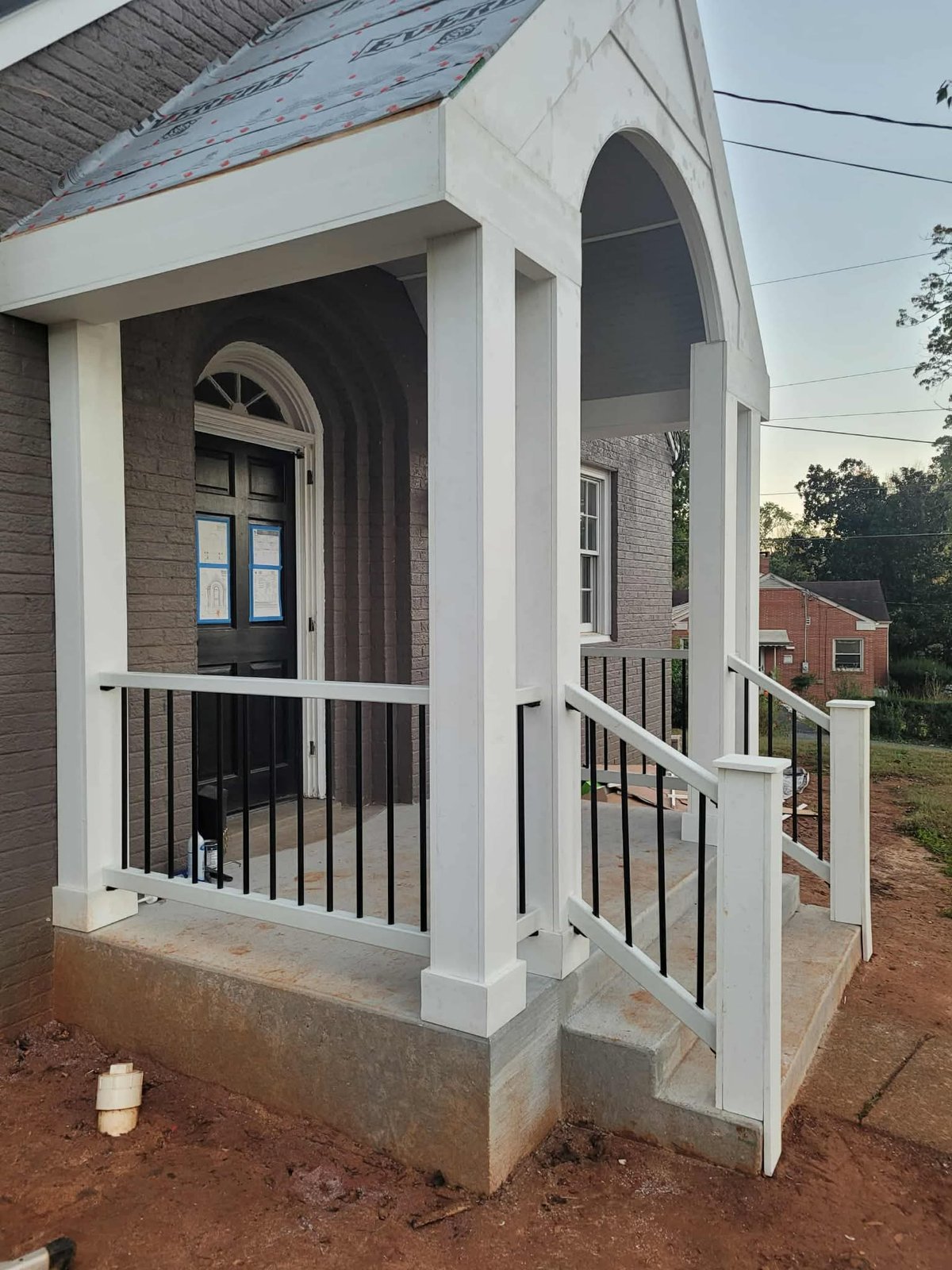
When most homeowners think about their roof, they picture the shingles, tiles, or metal panels they see from the street. But beneath that visible layer lies an unsung hero of home protection: roof underlayment. This water-resistant barrier serves as your roof’s secondary defense system, protecting your home when the primary roofing material is compromised.
At Mapleton Roofing, we frequently explain to our Central Virginia customers why underlayment quality and proper installation are just as important as the roofing material they select. Understanding this hidden layer can help you make better decisions about your roof and recognize when problems may be developing.
What Is Roof Underlayment?
Roof underlayment is a water-resistant or waterproof barrier material installed directly onto your roof deck before the primary roofing material is applied. It covers the entire roof surface, creating a continuous protective layer between the wooden deck and the shingles, tiles, or metal panels above.
Think of underlayment as your roof’s backup plan. While shingles are designed to shed water, they are not completely waterproof. Wind-driven rain can push water underneath shingles, ice dams can force water upward, and damaged shingles can let water through. When any of these situations occur, the underlayment is there to keep that water from reaching the roof deck and entering your home.
Underlayment also provides several additional benefits:
- Temporary weather protection: During roof installation or replacement, underlayment protects your home if work is interrupted by rain
- Additional insulation: Some modern underlayments provide modest thermal benefits
- Sound dampening: Underlayment reduces the sound of rain and hail hitting the roof
- Fire resistance: Many synthetic underlayments have fire-resistant properties
Types of Roof Underlayment
Three main types of underlayment are used in residential roofing, each with distinct characteristics and appropriate applications.
Asphalt-Saturated Felt (Tar Paper)
Felt underlayment has been the standard for over a century. Made from organic or fiberglass mat saturated with asphalt, it comes in two common weights: 15-pound and 30-pound felt.
Advantages:
- Lowest initial cost
- Proven track record
- Allows minor roof deck moisture to escape
- Easy to work with
Disadvantages:
- Can tear during installation
- Absorbs water if exposed
- Wrinkles and buckles in heat
- Shorter lifespan than synthetic options
- Becomes brittle over time
Felt underlayment remains a budget-friendly choice for projects where the primary roofing will be installed quickly and the roof has moderate exposure.
Synthetic Underlayment
Synthetic underlayment is made from woven or spun polyethylene or polypropylene. This modern alternative has become increasingly popular due to its superior performance characteristics.
Advantages:
- Exceptional tear resistance
- Lightweight yet strong
- Does not absorb water
- Lays flat without wrinkling
- Can withstand extended UV exposure
- Longer lifespan
- Safer walking surface during installation
Disadvantages:
- Higher cost than felt
- May trap moisture beneath it if roof deck is not dry
- Some products are not vapor permeable
For most roof replacement projects in Central Virginia, we recommend synthetic underlayment due to its durability and performance in our variable climate.
Ice and Water Shield
Ice and water shield is a self-adhering membrane that creates a completely waterproof barrier. Unlike felt or synthetic underlayment, which are water-resistant, ice and water shield seals around nails and fasteners for complete protection.
Advantages:
- Completely waterproof
- Self-sealing around nail penetrations
- Critical protection in high-risk areas
- Long service life
Disadvantages:
- Significantly higher cost
- More difficult to install
- Not breathable (can trap moisture)
- Typically used only in specific areas, not entire roof
Ice and water shield is essential for certain applications, which we will discuss below.
Why Underlayment Matters for Your Home
Investing in quality underlayment and proper installation pays dividends throughout your roof’s life.
Secondary Water Protection
Your primary roofing material handles routine rain and weather, but exceptional conditions can overwhelm it:
- Hurricane-force winds can lift shingles completely
- Large hail can crack and displace roofing materials
- Fallen branches can puncture the surface
- Age and wear create gaps and vulnerabilities
When these events occur, quality underlayment prevents water from entering your home and gives you time to schedule repairs.
Ice Dam Defense
Ice dams form when heat escaping from your attic melts snow on the roof. The water runs down to the cold eaves, where it refreezes. This ice buildup creates a dam that blocks subsequent meltwater, which then backs up under shingles and into your home.
Ice and water shield installed at the eaves provides critical protection against ice dam damage. Virginia building codes typically require this protection to extend at least 24 inches past the interior wall line, but in areas prone to ice dams, additional coverage is wise.
Extended Roof System Life
Quality underlayment protects the roof deck from moisture that penetrates past the primary roofing. A dry, sound roof deck lasts much longer than one subjected to repeated wetting. By keeping the deck dry, good underlayment helps your entire roof system achieve its maximum lifespan.
Code Compliance
Modern building codes require underlayment for most roofing installations. Using the correct type and ensuring proper installation keeps your project compliant and maintains your home’s insurability.
When to Replace Roof Underlayment
Underlayment generally cannot be inspected without removing the roofing material above it. However, certain situations indicate that your underlayment likely needs attention:
During roof replacement: Whenever you install new roofing material, new underlayment should be installed as well. Reusing old underlayment under new shingles is never recommended, even if the old material appears intact.
After storm damage: If your roof sustains significant damage from wind, hail, or fallen debris, the underlayment may also be compromised and should be evaluated.
When leaks occur: Persistent or recurring leaks, even if the roofing material appears sound, may indicate underlayment failure.
Based on age: If your roof is approaching the end of its expected lifespan (20-25 years for asphalt shingles), the underlayment has aged similarly and will need replacement along with the roofing.
Ice Dam Prevention in Virginia Winters
While Central Virginia does not experience the extreme winter conditions of northern states, we do face ice dam risks during our periodic cold snaps and winter storms. The Lynchburg area, Bedford, and especially the Blue Ridge foothills can experience significant snow and ice events.
Effective ice dam prevention involves three elements:
Proper underlayment: Ice and water shield at the eaves provides a last line of defense. We recommend installing it at least 3 feet up from the eave edge, or to a point 2 feet past the interior wall line, whichever is greater.
Adequate attic insulation: Keeping heat inside your living space reduces the snow melting that starts the ice dam cycle. Our attic insulation services can evaluate and improve your current insulation levels.
Effective ventilation: Even well-insulated attics need ventilation to remove heat that does escape. Proper soffit and ridge ventilation keeps the roof deck cold and uniform. Learn more about our roof ventilation solutions.
Together, these three elements dramatically reduce ice dam risk in our Virginia winters.
Underlayment Installation Best Practices
Proper installation is as important as material selection. Quality underlayment improperly installed will not protect your home. Key installation requirements include:
- Starting at the eaves: Underlayment is installed from the bottom of the roof upward, with each course overlapping the one below
- Proper overlap: Horizontal overlaps should be at least 4 inches; vertical overlaps at least 6 inches
- Secure fastening: Underlayment must be properly secured to prevent wind damage before the roofing is installed
- No wrinkles or gaps: The material should lay flat and cover every inch of the roof deck
- Valley and flashing integration: Underlayment must coordinate properly with valley treatments and flashing
- Ice and water shield placement: This membrane should cover eaves, valleys, around penetrations, and along wall intersections
Our installation teams follow manufacturer specifications and building codes to ensure your underlayment provides the protection it is designed for.
Choosing the Right Underlayment for Your Project
The best underlayment choice depends on several factors:
Roofing material: Metal roofing, tile, and slate may have specific underlayment requirements. Asphalt shingles are compatible with all common underlayment types.
Roof slope: Low-slope roofs benefit from the additional protection of synthetic underlayment or extended ice and water shield coverage.
Climate exposure: Homes in higher elevations, north-facing slopes, or heavily shaded areas face more ice dam risk and benefit from enhanced underlayment.
Budget considerations: While quality underlayment costs more, it is a small percentage of overall roof replacement cost and provides significant long-term value.
Warranty requirements: Some shingle manufacturers require specific underlayment types to honor their warranty. Always verify compatibility.
When you work with Mapleton Roofing on a roof installation or replacement project, we evaluate all these factors and recommend the underlayment solution that best suits your home and budget.
Frequently Asked Questions
Can I see my roof’s underlayment without removing shingles?
In most cases, no. Underlayment is completely covered by the primary roofing material. The only visible areas might be at the eaves if the drip edge is removed, or in the attic if there are gaps between the decking boards on older homes. A professional roof inspection can assess underlayment condition based on the roof’s age, visible signs of water intrusion, and the condition of the roofing above.
How long does roof underlayment last?
Felt underlayment typically lasts 15 to 20 years under ideal conditions, though it can degrade faster if exposed to moisture or extreme temperatures. Quality synthetic underlayment can last 25 years or more. However, since underlayment should always be replaced when re-roofing, its independent lifespan is less important than choosing a product that will perform well for your roof system’s expected life.
Is ice and water shield required in Virginia?
Virginia’s building code requires ice and water shield (or equivalent protection) at eaves in areas where the average January temperature is 25 degrees Fahrenheit or less. Much of Central Virginia falls into this category. Regardless of code requirements, we recommend ice and water shield at eaves, valleys, and around all roof penetrations for homes in Lynchburg and the surrounding region.
Invest in Your Roof’s Foundation
Quality underlayment is invisible but invaluable. It provides essential backup protection that keeps your home dry when conditions challenge your roof’s primary defenses. Whether you are planning a new roof or want to understand your current system better, the team at Mapleton Roofing is here to help.
Contact us today for a free roof inspection or to discuss your roof replacement project. We serve homeowners throughout Lynchburg, Bedford, Amherst, Campbell County, and the greater Central Virginia region with expert roofing services backed by quality materials and professional installation.
Tags: