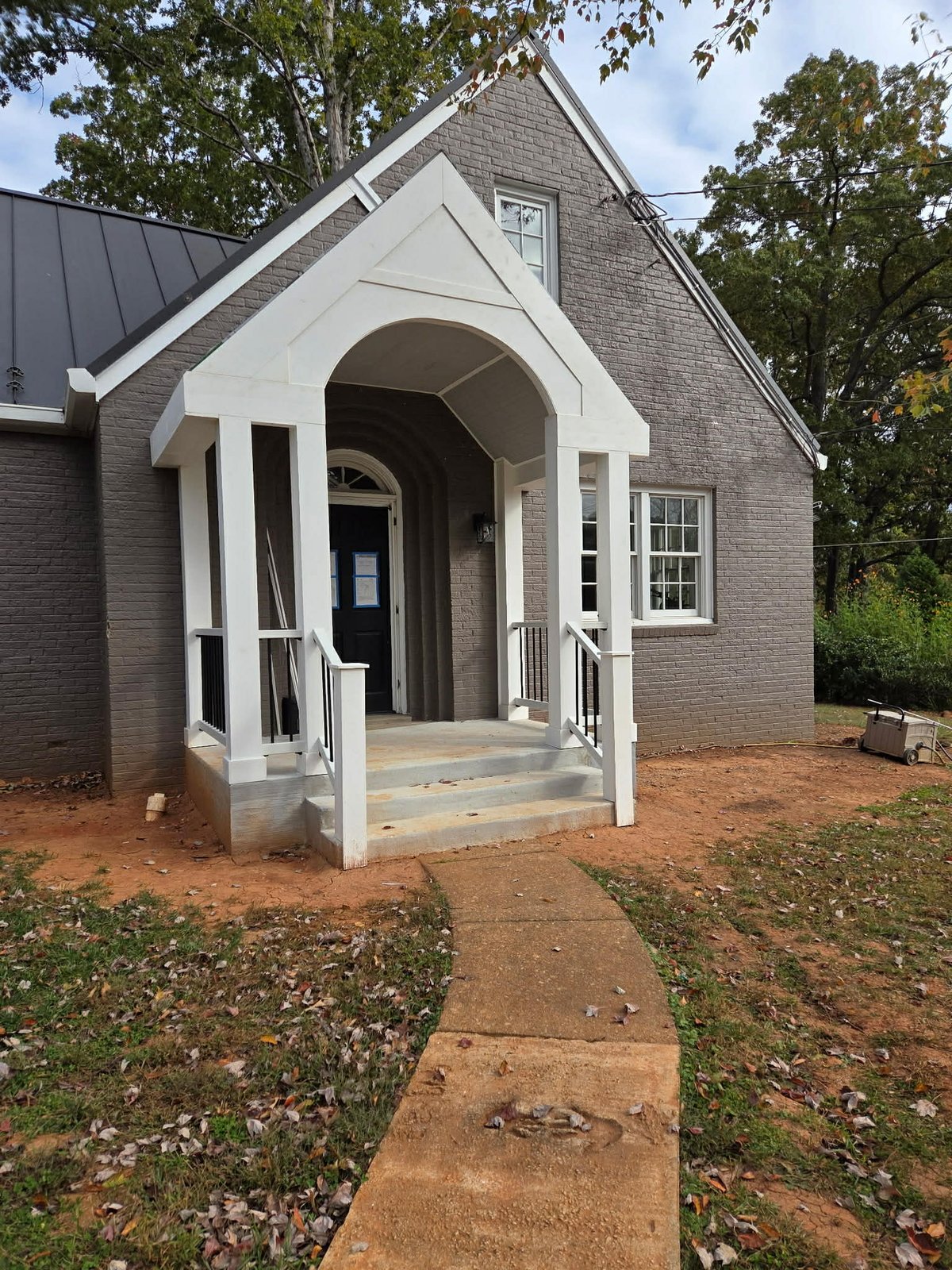
When homeowners explore roofing options that combine longevity, performance, and aesthetics, standing seam metal roofing consistently rises to the top of the list. This premium roofing system has become increasingly popular throughout Central Virginia, from historic Lynchburg neighborhoods to mountain retreats along the Blue Ridge.
At Mapleton Roofing, we have installed standing seam metal roofs on properties ranging from contemporary homes to centuries-old farmhouses. This guide will help you understand what makes this roofing system unique and whether it might be the right choice for your home.
What Is Standing Seam Metal Roofing?
Standing seam metal roofing is a system of metal panels that connect through raised interlocking seams. These seams stand vertically above the flat surface of the panel, typically rising 1 to 2 inches, and run continuously from the ridge to the eave.
The defining characteristic of standing seam roofing is its concealed fastener system. Unlike exposed fastener metal roofs where screws penetrate through the panel face, standing seam panels are secured by clips hidden beneath the seam. This concealment provides several important advantages:
- No exposed fasteners to fail, back out, or create leak paths
- Clean, uninterrupted visual lines
- Panels can expand and contract freely with temperature changes
- Extended waterproof integrity
Standing seam panels are typically made from:
Steel: The most common choice, available in galvanized, galvalume (zinc-aluminum alloy coating), or pre-painted finishes. Steel offers excellent strength-to-cost ratio.
Aluminum: Lightweight and naturally corrosion-resistant, aluminum is ideal for coastal areas or homes where weight is a concern. It is more expensive than steel but never rusts.
Copper: The premium choice, copper standing seam roofs can last well over a century. They develop a distinctive green patina over time that many find attractive. Copper carries a significant cost premium.
Zinc: Similar to copper in longevity and appearance, zinc develops a gray patina and offers exceptional durability. Like copper, it commands premium pricing.
Panel widths typically range from 12 to 18 inches, with seam heights from 1 to 2 inches. Panels can be factory-formed to specific lengths for your roof or formed on-site using portable roll-forming equipment for truly seamless runs from ridge to eave.
Benefits of Standing Seam Metal Roofing
The growing popularity of standing seam roofing reflects its numerous advantages over traditional materials.
Exceptional Longevity
While asphalt shingles typically last 20 to 30 years, standing seam metal roofs routinely last 50 years or more. Many manufacturers offer 40 to 50-year warranties, and real-world performance often exceeds these figures. Copper and zinc systems can last well over a century with proper maintenance.
This longevity means a standing seam roof may be the last roof your home ever needs. Over a 50-year period, you would likely replace an asphalt shingle roof two or three times, while a single metal roof continues performing.
Superior Weather Resistance
Standing seam roofs excel in challenging weather:
Wind resistance: The interlocking seams and concealed fasteners create exceptional wind uplift resistance. Many systems are rated for winds exceeding 140 mph, making them suitable for hurricane-prone areas.
Water shedding: The raised seams and smooth panel surfaces shed rain and snowmelt quickly and completely. There are no granules to wash away, no tabs to lift, and no surfaces to absorb moisture.
Snow management: The smooth metal surface allows snow to slide off rather than accumulating. This reduces structural load and prevents ice dam formation. Snow guards can be installed over entryways and walkways if controlled snow release is needed.
Hail resistance: Metal panels dent rather than crack or shatter, maintaining their waterproof integrity even after hail impacts that would destroy shingles.
Energy Efficiency
Metal roofing offers significant energy benefits:
Reflective surfaces: Metal roofs can be finished with cool roof coatings that reflect solar radiation. Light-colored metal roofs can reflect up to 70% of solar energy, dramatically reducing cooling loads.
Emissivity: Metal roofs re-emit absorbed heat quickly as the sun angle changes, rather than storing it like asphalt.
Reduced heat transfer: The standing seam system creates an air gap between the metal and roof deck, adding a natural thermal break.
ENERGY STAR ratings: Many metal roofing products qualify for ENERGY STAR certification, potentially providing tax credits or utility rebates.
Studies suggest metal roofing can reduce cooling costs by 10-25% compared to traditional asphalt, depending on color, climate, and home construction.
Low Maintenance
Once installed, standing seam metal roofs require minimal maintenance:
- No shingles to replace
- No granules to lose
- No moss or algae growth (on most finishes)
- No seams to re-seal
- Occasional cleaning is the primary maintenance need
This low maintenance requirement is particularly valuable for vacation properties, rental homes, or any situation where regular roof attention is impractical.
Environmental Benefits
Metal roofing is among the most sustainable roofing choices:
- Metal panels contain 25-95% recycled content depending on the material
- Panels are 100% recyclable at end of life
- Long lifespan reduces resource consumption and landfill waste
- Energy efficiency reduces carbon footprint
- Often installed over existing roofs, eliminating tear-off waste
Aesthetic Versatility
Standing seam roofing complements virtually any architectural style:
- Clean lines suit modern and contemporary designs
- Traditional profiles match farmhouse and agricultural aesthetics
- Wide color selection allows coordination with any exterior palette
- Can be combined with other roofing materials for architectural interest
Cost Comparison: Standing Seam vs. Asphalt Shingles
The most common question about standing seam roofing involves cost. Here is a realistic comparison:
Initial cost: Standing seam metal roofing typically costs 2 to 3 times more than quality architectural asphalt shingles. For a typical Lynchburg-area home, asphalt shingle replacement might cost $8,000 to $15,000, while standing seam could range from $18,000 to $35,000 or more, depending on material choice and roof complexity.
Lifetime cost: Over 50 years, the calculation changes dramatically. That asphalt roof will likely need replacement twice, bringing the total cost to $24,000 to $45,000 plus inflation. The metal roof, still going strong, has cost only its initial investment plus minimal maintenance.
Energy savings: Metal roofing’s energy efficiency provides ongoing savings that compound over time, further improving the lifetime cost equation.
Insurance benefits: Some insurance companies offer premium discounts for metal roofs due to their fire, wind, and hail resistance. These savings add up over the roof’s long life.
Home value: Metal roofing can increase home value and marketability, potentially returning a portion of your investment if you sell before the roof reaches end of life.
The bottom line: standing seam metal roofing costs more upfront but often proves more economical over the long term, especially if you plan to stay in your home for 15 years or more.
Best Applications for Standing Seam Roofing
Standing seam metal roofing works well on most homes but is particularly suited for certain situations:
Primary residences for long-term owners: If you plan to stay in your home for many years, the long-term value of metal roofing becomes compelling.
Properties in severe weather areas: Homes in high-wind corridors or areas prone to severe storms benefit from metal’s superior weather resistance.
Energy-conscious homeowners: If reducing energy consumption and environmental impact are priorities, metal roofing supports those goals.
Low-maintenance needs: Vacation homes, rental properties, and homeowners who prefer minimal upkeep all benefit from metal’s durability.
Steep roof pitches: Standing seam looks particularly striking on steep roofs and performs excellently with quick water shedding.
Historic restoration: Many historic Virginia homes originally had metal roofs. Standing seam provides authentic restoration while meeting modern performance standards.
Standing Seam in the Blue Ridge Mountains
Standing seam metal roofing has become especially popular for properties in the Blue Ridge Mountains near Bedford, Amherst, and the Peaks of Otter area. Several factors drive this preference:
Snow performance: The steep pitches common on mountain homes combined with metal’s natural snow shedding prevent dangerous accumulation. Snow slides off rather than building up to potentially damaging loads.
Fire resistance: In forested mountain settings, metal’s Class A fire rating provides crucial protection against wildfires and flying embers.
Remote location durability: Mountain properties often have limited access for repairs. A roof that performs reliably for 50+ years with minimal maintenance makes practical sense.
Wind exposure: Ridge-top and exposed mountain locations face significant wind. Standing seam’s exceptional wind ratings provide peace of mind.
Aesthetic fit: Metal roofing’s clean lines and natural colors complement mountain architecture and blend with the surrounding landscape.
Wildlife resistance: Unlike some roofing materials, metal does not attract insects or provide nesting opportunities for birds, reducing pest concerns in rural settings.
Our experience with mountain roofing projects has shown that while the initial investment is higher, metal roofing is often the most practical long-term choice for these challenging environments. Learn more in our guide to roofing materials for Blue Ridge mountain properties.
Installation Considerations
Standing seam installation requires specialized skills and equipment. Key considerations include:
Professional installation: Unlike asphalt shingles, which many roofers can install competently, standing seam requires specific training and experience. Improper installation can lead to leaks, oil canning (waviness), or premature failure.
Panel formation: Panels can be factory-formed and transported to the site or formed on-site using portable roll-forming equipment. On-site forming allows seamless panels the full length of the roof, eliminating horizontal seams.
Underlayment: Quality synthetic underlayment and proper ice and water shield installation protect the roof deck during installation and provide backup protection.
Thermal movement: Panels must be installed to allow expansion and contraction with temperature changes. Improper installation that restricts movement can cause buckling or fastener failure.
Trim and flashing: Metal roofing requires coordinated trim pieces at eaves, rakes, ridges, valleys, and penetrations. Quality trim work is essential for both appearance and performance.
Our metal roofing team has extensive experience with standing seam installation throughout Central Virginia and the Blue Ridge region.
Frequently Asked Questions
Is standing seam metal roofing noisy in rain?
This is one of the most common concerns, but modern standing seam installations are not significantly louder than other roofing materials. The solid roof decking beneath the panels, combined with attic insulation, dampens sound effectively. Many homeowners report they cannot distinguish rain sound on their metal roof from other roof types. Proper installation with underlayment and insulation eliminates the “tin roof” sound sometimes associated with agricultural metal buildings.
Can I walk on a standing seam metal roof?
Yes, with care. Metal roofs can be walked on for maintenance or to access equipment, but precautions are necessary. Walk on the flat pan areas between seams rather than on the seams themselves. Use soft-soled shoes for traction. Avoid walking when the roof is wet, frosty, or covered with debris. Some finishes scratch more easily than others. When possible, arrange work to minimize roof walking, or use walk boards to distribute weight.
Will a metal roof affect my cell phone or internet signal?
Metal roofing does not significantly impact cell phone reception or WiFi inside your home. Cell signals enter through windows and walls, not primarily through the roof. Interior WiFi is not affected at all since the router is inside the metal envelope. If you currently have poor cell reception, a metal roof will not make it noticeably worse.
Is Standing Seam Right for Your Home?
Standing seam metal roofing offers unmatched longevity, weather resistance, and energy efficiency for homes throughout Central Virginia. While the initial investment is higher than conventional roofing, the lifetime value often makes it the more economical choice for homeowners who plan to stay in their homes long-term.
Whether you are building new, replacing a worn roof, or considering your options for a mountain retreat, Mapleton Roofing can help you evaluate whether standing seam metal roofing meets your needs and budget. We provide professional installation throughout Lynchburg, Bedford, Amherst, Campbell County, and the surrounding region.
Contact us today for a free consultation and estimate. Let us show you why standing seam metal roofing might be the last roof your home ever needs.
Tags: